
World’s First Stem Cells Therapies Approved: iPS Stem Cells Breakthrough Transforms Heart Failure and Parkinson’s Treatment

Two Japanese iPS cell products — recognized as the world’s first of their kind — have received marketing approval after two decades of sustained scientific exploration, translational research, and clinical validation. This milestone represents not only a scientific breakthrough, but also a turning point in how stem cells therapies are moving from research laboratories into real-world clinical practice.
On February 19, 2026, the expert committee of Japan’s Ministry of Health, Labour and Welfare granted conditional marketing authorization to two pioneering induced pluripotent stem cell (iPS) regenerative medicine products. These therapies target severe heart failure and Parkinson’s disease, two conditions that have long posed enormous treatment challenges. Their approval marks a historic step forward for the global regenerative medicine industry.
The two products — ReHeart, developed by Osaka University startup Curips, and Amchepry, jointly developed by Sumitomo Pharma and Racthera — are expected to become among the first commercially available iPS-derived stem cells therapies worldwide. Their launch signals a decisive shift: stem cells are no longer confined to experimental trials; they are entering the commercial healthcare market.
I. The Scientific Foundation of Modern Stem Cells Therapy
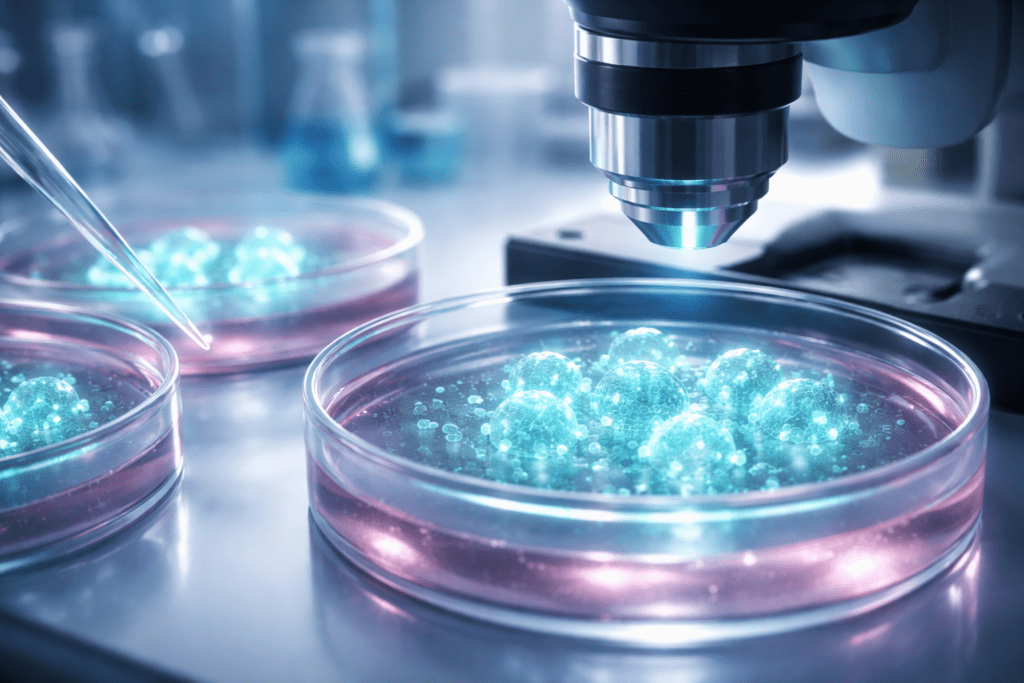
Induced pluripotent stem cells (iPS cells) were first successfully generated in 2006 by Shinya Yamanaka, honorary director of the iPS Cell Research and Application Center at Kyoto University. His discovery showed that mature adult cells could be reprogrammed into pluripotent stem cells capable of transforming into nearly any cell type in the human body.
This revolutionary finding reshaped biomedical science and earned him the 2012 Nobel Prize in Physiology or Medicine. For the first time, scientists could create powerful stem cells without using embryonic sources, significantly reducing ethical concerns and opening the door to scalable regenerative medicine.
Exactly 20 years later, that scientific discovery has matured into two approved therapies — a development many researchers once considered decades away.
II. ReHeart: Stem Cells Therapy for Severe Heart Failure
A Regenerative Approach to Cardiac Repair
ReHeart is designed to treat severe heart failure caused by ischemic cardiomyopathy, a condition in which parts of the heart muscle become permanently damaged due to restricted blood supply. Traditional treatments can manage symptoms, but they rarely restore lost heart tissue.
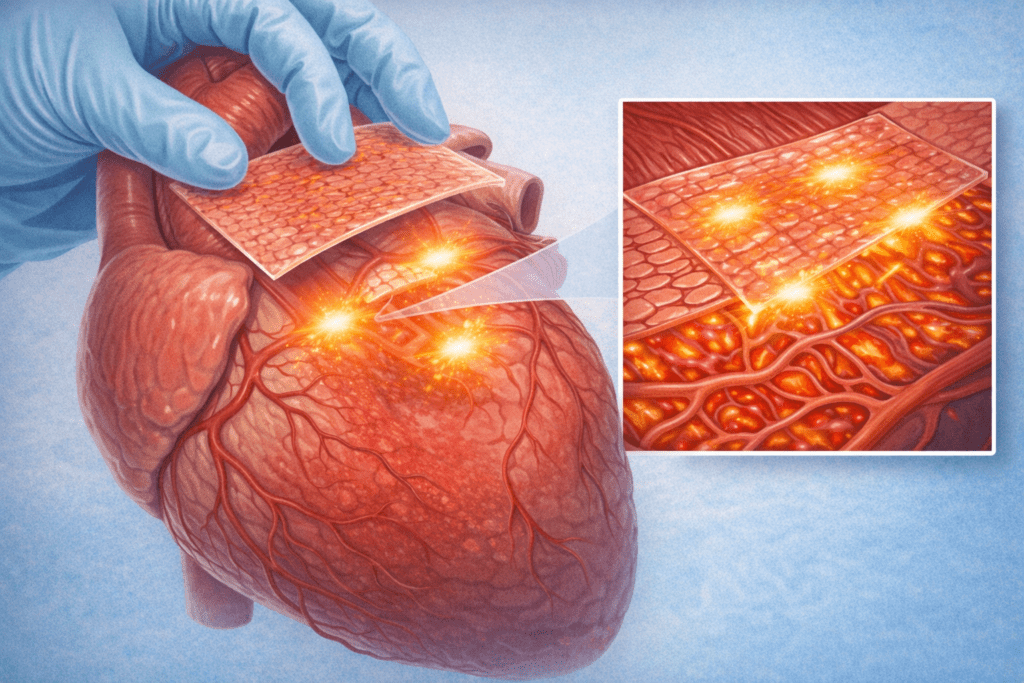
Developed by Cuorips Inc., a startup originating from Osaka University, ReHeart uses stem cells in an innovative way. Scientists differentiate human iPS cells into cardiomyocytes — the beating cells of the heart — and culture them into ultra-thin “cardiomyocyte sheets” measuring about 4–5 cm in diameter and just 0.1 mm thick.
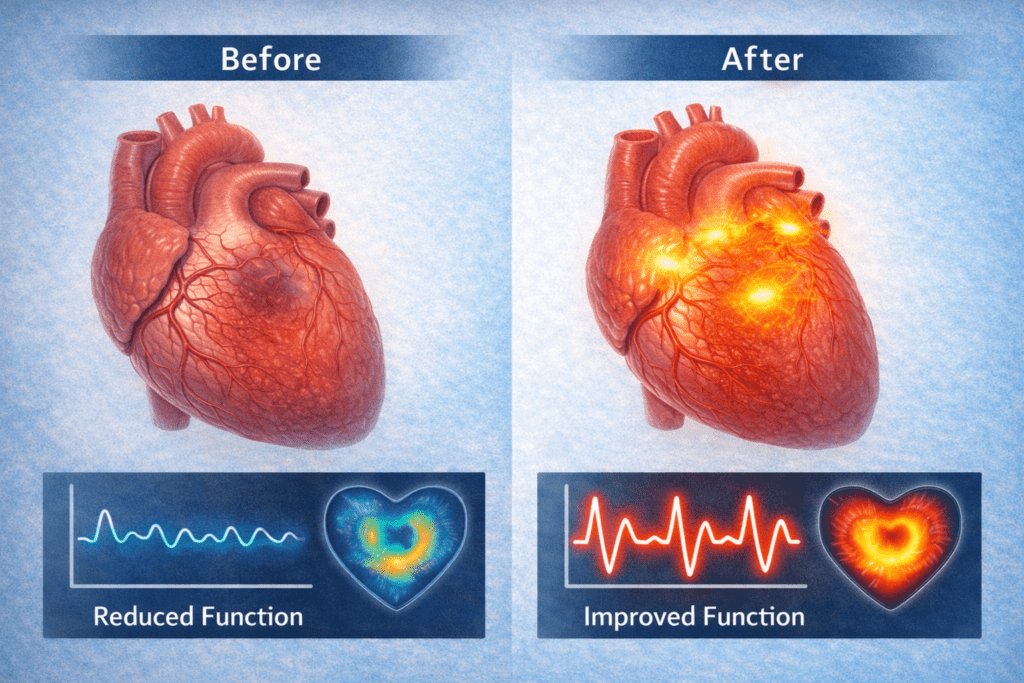
These sheets are surgically placed onto the surface of the patient’s damaged heart through minimally invasive procedures. Rather than mechanically replacing heart muscle, the transplanted cells secrete biological factors that stimulate angiogenesis, improve blood flow, reduce fibrosis, and encourage the heart’s own repair mechanisms. This makes ReHeart a biologically active regenerative therapy, not just a supportive treatment.
Clinical Results and Patient Outcomes
The first clinical trial began in January 2020. Among eight patients with advanced heart failure, all experienced noticeable relief from symptoms such as fatigue, shortness of breath, and palpitations. More than half showed measurable improvements in cardiac function and exercise tolerance.
Importantly, no serious adverse events were reported during follow-up. Although the study group was small, the consistency of improvement provided sufficient evidence to support conditional approval. For patients with limited therapeutic options, this stem cells therapy offers a new and potentially transformative path forward.
III. Amchepri: Stem Cells Therapy for Parkinson’s Disease
Replacing Lost Dopamine-Producing Neurons
Amchepri is indicated for Parkinson’s disease, a progressive neurological disorder caused by the degeneration of dopamine-producing neurons in the brain. As dopamine levels decline, patients develop tremors, stiffness, slowed movement, and impaired balance.
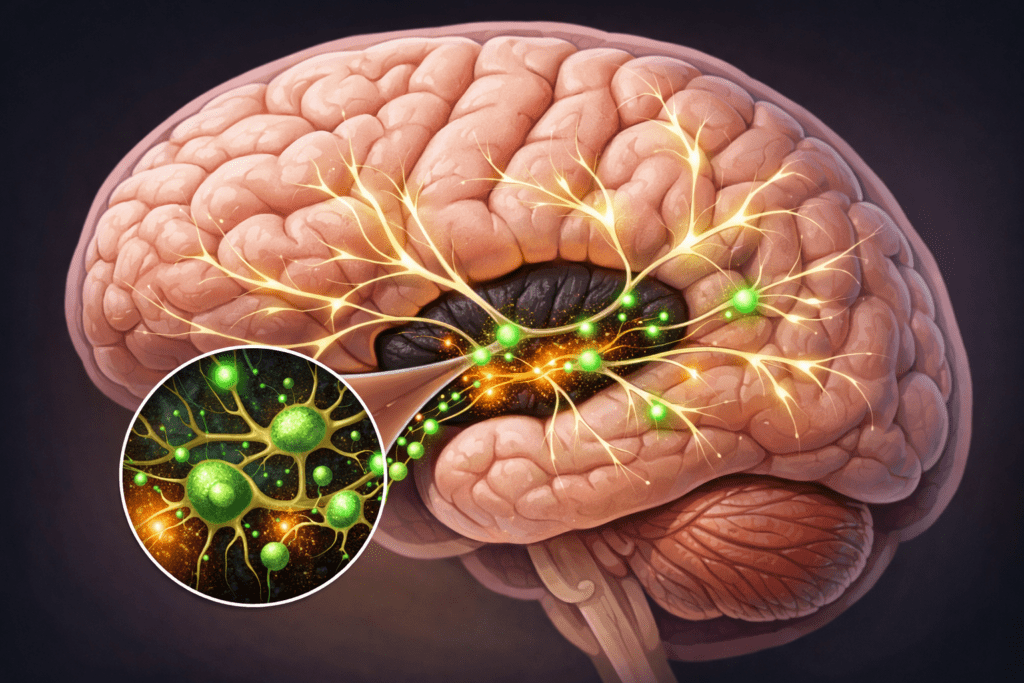
Jointly developed by Sumitomo Pharma and Racthera Inc., this therapy uses stem cells to address the root cause of the disease. Dopaminergic neural progenitor cells derived from iPS cells are transplanted directly into the patient’s brain.
Once implanted, these cells mature, integrate into neural networks, and begin producing dopamine. Unlike conventional medications that temporarily supplement dopamine levels, this approach aims to restore the brain’s own dopamine-producing capacity, potentially altering disease progression rather than merely masking symptoms.
Long-Term Clinical Evidence
A 24-month follow-up demonstrated strong and sustained biological effects. Transplanted cells achieved a survival rate of over 90% and continued producing dopamine throughout the observation period. Average dopamine production increased by 44.7%, and reached 63.5% in the high-dose group.
Among six treated patients, four experienced significant motor improvement. One patient who had long depended on a wheelchair regained the ability to stand independently after surgery. The average MDS-UPDRS motor score improved by 9.5 points. By comparison, patients receiving standard drug therapy typically experienced worsening symptoms over time.
These results suggest that stem cells therapy may redefine how Parkinson’s disease is treated globally.
IV. A New Regulatory Model for Stem Cells Therapies
Japan’s approval was granted under a “conditional and time-limited approval system,” a regulatory pathway designed specifically for regenerative medicine products. Under this framework, promising therapies may reach patients based on early-stage clinical evidence, provided that companies conduct larger confirmatory trials after launch.
Manufacturers must submit long-term safety and efficacy data within seven years. If results fail to confirm benefits or reveal safety concerns, approval can be revoked.
This model balances urgent patient needs with scientific oversight. As regenerative medicine advances worldwide, regulators in multiple regions are closely observing such adaptive frameworks as potential templates for accelerating access to advanced stem cells therapies while maintaining rigorous safety standards.
V. Industry Significance and Global Market Impact
From Laboratory Discovery to Commercial Reality
One of the most important aspects of these therapies is their use of allogeneic stem cells derived from healthy donors. This approach allows standardized large-scale production, reduces manufacturing complexity, and improves cost efficiency. It also avoids many of the ethical controversies historically associated with embryonic stem cells.
For diseases like heart failure and Parkinson’s — where traditional treatments often slow decline but rarely reverse damage — these therapies represent a paradigm shift. The objective is no longer simply symptom control, but functional tissue restoration.
The commercialization of these products marks the first time that iPS stem cells have successfully transitioned from laboratory research to approved medical products. It confirms that stem cells are becoming a practical component of modern medicine.
Global Competitive Positioning
Sumitomo Pharma plans to initiate commercial launch activities for Amchepri in the first half of fiscal year 2026, positioning itself at the forefront of neuronal regenerative therapeutics.
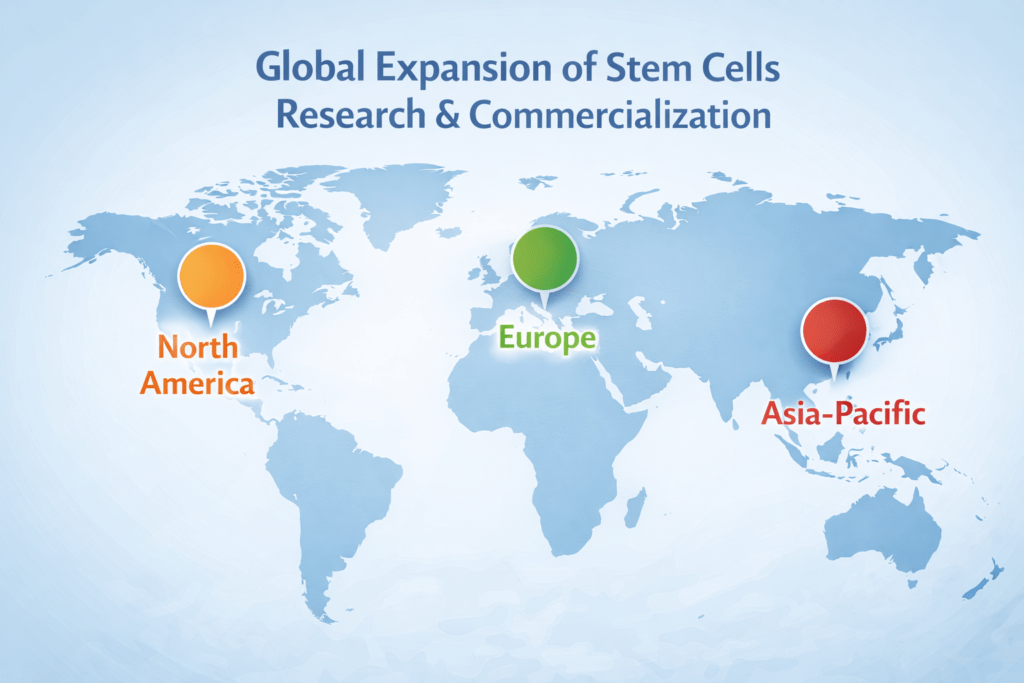
Cuorips, driven by the development of ReHeart, has emerged as a notable player in cardiac regenerative medicine. More broadly, pharmaceutical and biotechnology companies across North America, Europe, and Asia-Pacific are accelerating investments in stem cells platforms, anticipating expanding indications and growing global demand.
The approval of these two products strengthens confidence in the scalability and commercial viability of stem cells therapies worldwide.
VI. Future Challenges and the Expanding Future of Stem Cells
Despite this milestone, challenges remain. Long-term safety monitoring is critical, particularly concerning immune compatibility and tumorigenicity. Manufacturing scale-up, cost control, and reimbursement policies will determine how widely these therapies can be adopted across different healthcare systems.
Nevertheless, this breakthrough injects powerful momentum into the global regenerative medicine sector. iPS-based research programs are advancing internationally in areas such as macular degeneration, spinal cord injury, diabetes, and other neurodegenerative disorders. As more clinical data accumulates and technologies mature, indications may expand further, potentially including Alzheimer’s disease and complex neurological injuries.
The journey from scientific discovery to approved therapy has taken 20 years. Now, stem cells are entering a new era — one defined not by promise alone, but by real patients receiving regenerative treatments. For millions living with previously irreversible diseases, stem cells therapy may represent not just hope, but a tangible new standard of care.