
The Dawn of a Functional Cure for
Type 1 Diabetes
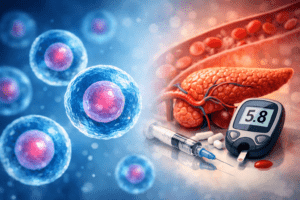
Stem cell therapy for diabetes is firmly on the horizon, with groundbreaking market approvals anticipated globally as early as 2026.
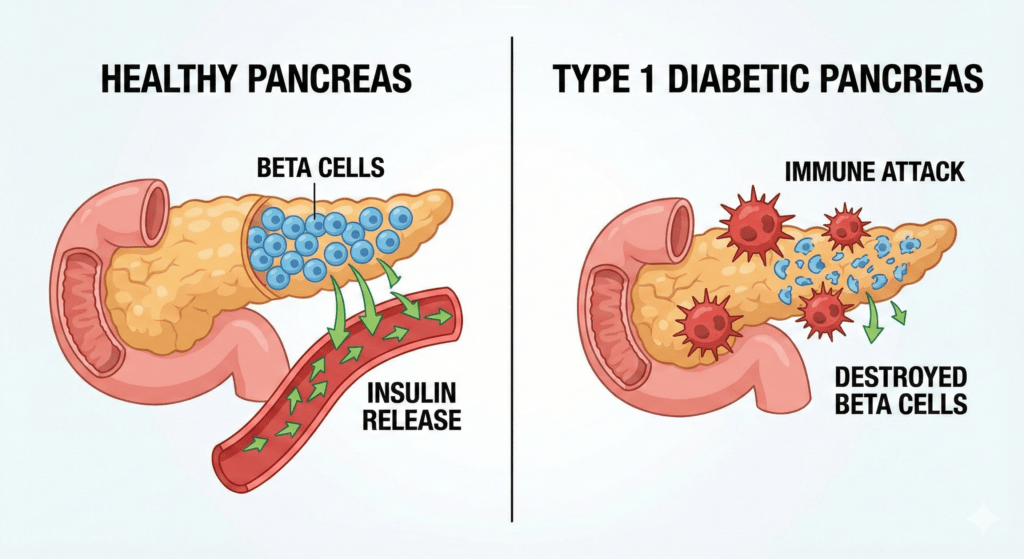
Type 1 diabetes (T1D) is, at its core, a relentless autoimmune disease. The body’s immune system tragically misidentifies its own pancreatic beta cells as foreign invaders and attacks them, leading to a complete and debilitating deficiency in insulin production. This cellular damage is typically irreversible. From the very onset of the disease, patients are thrust into a lifelong reliance on exogenous, or external, insulin simply to survive. Furthermore, the longer the disease progresses, the more absolute the decline in any residual pancreatic function becomes.
Over the past century—since the miraculous discovery of insulin in 1921—the treatment paradigm for T1D has essentially remained at a standstill in the symptomatic treatment phase. We have better pumps and continuous glucose monitors, but the underlying disease remains untouched. Globally, an estimated 9.15 million patients are permanently tethered to exogenous insulin. Despite meticulous management, they cannot fully escape the pervasive risks of severe hypoglycemia and devastating, irreversible complications. For patients who have battled the disease for over 20 years, the statistics are grim: the incidence of retinopathy (vision loss), kidney failure, and cardiovascular disease skyrockets to as high as 70%, 40%, and 30%, respectively.
However, propelled by exponential advancements in regenerative medicine, stem cell therapy is transforming the dream of a functional cure into a clinical reality. Significant, paradigm-shifting breakthroughs have recently redefined diabetes treatment. On June 20, 2025, the prestigious New England Journal of Medicine (NEJM) published the results of a landmark Phase I/II clinical trial for the stem cell therapy Zimislecel, revealing that a cohort of patients had been successfully freed from their dependence on insulin.
Global Breakthrough Therapy Progress
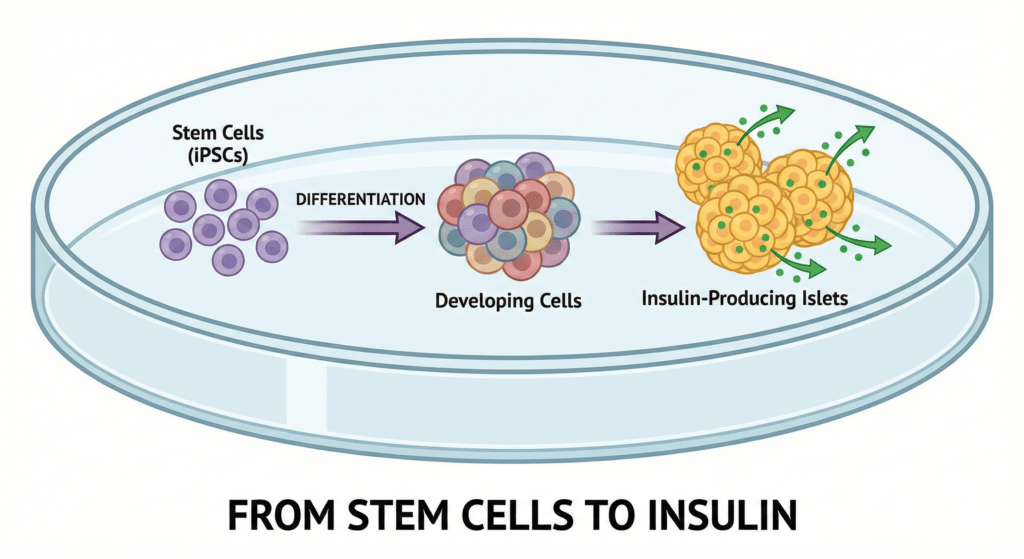
Zimislecel, formerly known under the clinical designation VX-880, is spearheaded by the global biopharmaceutical giant Vertex Pharmaceuticals. This innovative treatment is an allogeneic, or donor-derived, stem cell regeneration therapy. It utilizes advanced induced pluripotent stem cell (iPSC) technology to cultivate perfectly healthy, fully functioning pancreatic beta cells in a laboratory environment. Once infused into the patient’s hepatic portal vein, these newly minted cells colonize the liver, where they autonomously secrete insulin and orchestrate a physiological blood sugar regulation mechanism entirely mirroring that of a healthy human body.
Efficacy and Clinical Data
In terms of efficacy, the clinical data has been nothing short of unprecedented. In the pivotal Phase I/II clinical trials involving patients with highly severe type 1 diabetes, who had a mean disease duration of 22.8 years and received the full therapeutic dose of 0.8 × 10⁹ cells, the results were historic. Regarding Insulin Independence, 10 out of the 12 patients completely discontinued all exogenous insulin for over 12 months, with their blood glucose self-regulating at healthy baseline levels.
Furthermore, the Time-in-Range (TIR)—the percentage of time patients spent with their daily blood glucose in the optimal, normal range of 70-180 mg/dL—surged dramatically from a dangerous 49.5% to a stellar 93.3%. A1C Normalization was also universally achieved, as glycated hemoglobin (HbA1c) levels uniformly dropped below the diagnostic threshold for diabetes, settling at normal values of less than 7%. Crucially, tests measuring Islet Function showed that C-peptide levels, which act as a critical biomarker reflecting the body’s own insulin secretion capacity, rose from virtually undetectable to robust levels, definitively confirming the successful reconstruction of pancreatic islet function. It is also worth noting that clinically significant improvements were documented even in patients who received only a half-dose during the earliest safety phases of the trial.
Patient Spotlight: A New Lease on Life
Amanda Smith, a 36-year-old Canadian nurse, is a prime example of Zimislecel’s life-altering potential. Diagnosed with T1D at age 25, her daily life was a high-wire act balancing insulin dosing against the constant threat of severe complications and debilitating fatigue. Upon learning of the Zimislecel trial, she enrolled without hesitation. Just six months post-infusion, Amanda achieved complete insulin independence.
As one of the vanguard participants, she has personally verified the long-term durability of the treatment. She describes her post-trial reality as a “second life.” Stripped of the daily trauma of injections, the mental math of carbohydrate counting, and the terrifying specter of sudden, unannounced hypoglycemia, her quality of life has fundamentally transformed. Her success story represents a beacon of tangible hope for tens of millions of T1D patients worldwide.

Safety, Tolerability, and Market Launch
Regarding safety, Zimislecel has proven generally well-tolerated across the study cohort. The majority of reported adverse events were classified as mild to moderate—such as transient diarrhea, nausea, and headaches—all of which resolved post-infusion. Crucially, the most notable adverse events, such as neutropenia, were directly linked to the immunosuppressive drug regimen required to protect the cells from the body, rather than being caused by the stem cells themselves.
Currently, this breakthrough is targeted at a specific demographic: adults with severe type 1 diabetes who suffer from long-standing disease, complete pancreatic islet failure, and life-threatening hypoglycemia unawareness, which is the inability to physically feel when blood sugar drops dangerously low.
In terms of the market launch plan, Zimislecel is moving at lightning speed through regulatory pipelines. Having transitioned into a pivotal Phase III trial, the core data collection is projected to wrap up by mid-2026. Vertex is expected to aggressively submit marketing and biological license applications to major regulatory bodies, including the FDA in the United States, the EMA in Europe, and the MHRA in the United Kingdom, in 2026. If fast-tracked, the therapy could see its first commercial launches by late 2026 or early 2027.
The Story Behind Scientific Breakthroughs
This modern medical marvel is the culmination of 25 years of relentless dedication by Harvard University Professor Doug Melton. The catalyst was deeply personal: in 1991, his six-month-old son, Sam, was diagnosed with T1D. This devastating news prompted Melton to abruptly abandon his existing developmental biology research and pivot his entire career toward stem cell-derived pancreatic islet technology.
In the early days, Melton’s team consisted of barely a dozen researchers. Operating on a shoestring budget, they faced agonizing trial-and-error, attempting to coax generic stem cells into highly specialized islet cells. Failures mounted, and doubts regarding the biological feasibility of the project grew. The emotional stakes doubled in 2001 when Melton’s 14-year-old daughter, Emma, was also diagnosed with T1D. Driven by a father’s fierce determination, the team persisted. In 2014, backed by an estimated $50 million in accumulated funding and global collaborative efforts, they successfully cultivated functional, human embryonic stem cell-derived pancreatic beta cells for the first time in history. To transition this academic triumph into a viable commercial drug, Melton founded a biotech firm named Semma, combining the names Sam and Emma. Vertex Pharmaceuticals acquired Semma in 2019 for nearly $1 billion, launching Zimislecel into clinical trials by 2021 and changing the course of endocrinology forever.
Advances in Diabetes Treatment Across the Global Market
While Vertex’s Zimislecel is currently leading the regulatory race, it has ignited a massive wave of innovation across the global biotechnology sector. Researchers worldwide are racing to address the remaining hurdles of cell therapy, specifically the heavy reliance on harsh immunosuppressants.
Sana Biotechnology, operating primarily in the United States, is pioneering a massive leap forward with hypoimmune islet cells. By utilizing precise gene-editing techniques, they modify the stem cells to hide from the patient’s immune system, effectively acting as an invisibility cloak. In early data, initial trial participants successfully produced insulin directly in response to meals without requiring broad, systemic immunosuppression therapy.
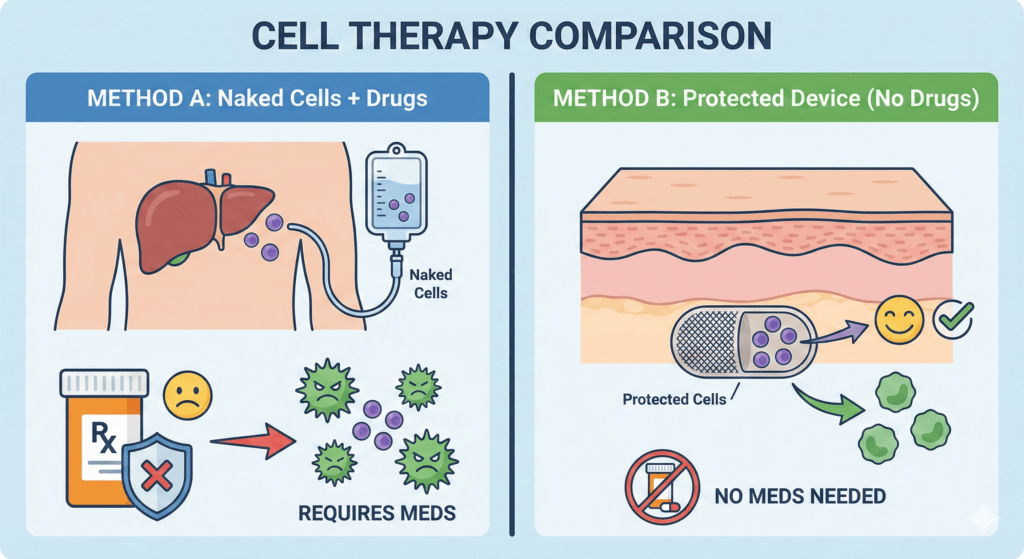
Meanwhile, Sernova, a global player with roots in Canada, has taken a different approach with their Cell Pouch System. Instead of infusing cells directly into the liver, Sernova has developed an implantable, pre-vascularized device the size of a business card. Placed just under the skin, it provides a safe, heavily oxygenated environment for therapeutic cells to thrive. They are currently testing this device in tandem with localized, targeted immune-protection drugs to keep the newly transplanted islets safe while radically reducing systemic side effects.
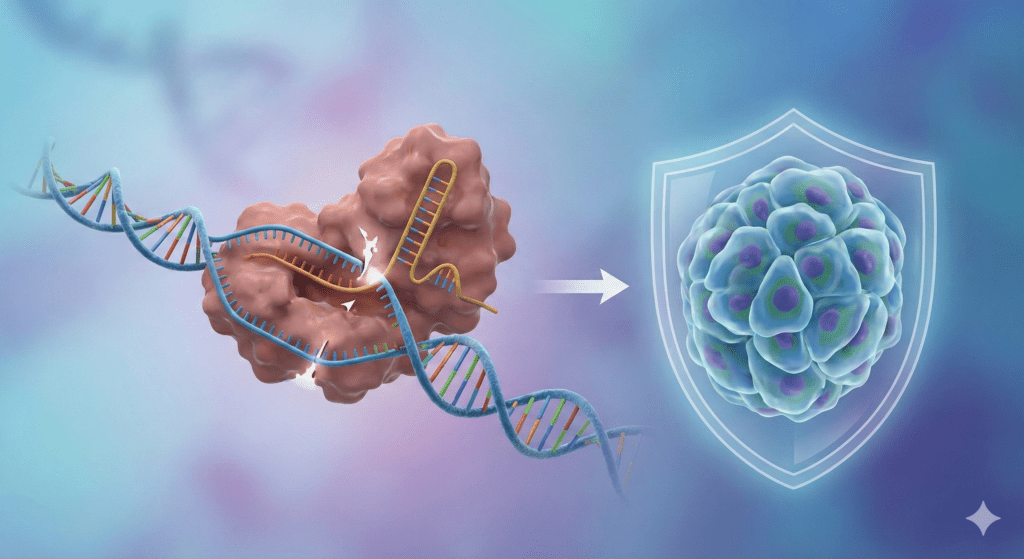
Additionally, the collaboration between CRISPR Therapeutics and ViaCyte, now consolidated under Vertex’s market dominance, is focusing on creating a truly off-the-shelf universal therapy. By utilizing CRISPR’s gene-editing prowess to knock out specific genes that trigger immune responses, their ultimate goal is to create beta cells that can be safely transplanted into any T1D patient globally, entirely eliminating the need for anti-rejection medications.
Technological Breakthroughs and Challenges
The Healing Principle
The foundational science relies on cultivating healthy pancreatic islet cells in vitro using pluripotent stem cell technology. Upon transplantation into a patient, these cells engraft, vascularize, and rebuild the body’s autonomous blood sugar regulation, ultimately achieving a functional cure where the patient no longer requires injected insulin.
Allogeneic therapies, such as Zimislecel, involve cells derived from a single donor source that are infinitely expanded in a lab. They offer the massive advantage of scalable, mass production. However, because the cells are foreign, the patient must adhere to a strict regimen of immunosuppressive drugs to prevent immune rejection. Conversely, next-generation hypoimmune or encapsulated therapies aim to physically or genetically shield the cells. They avoid the devastating side effects of immunosuppression but face incredibly high engineering complexities, longer research cycles, and ongoing challenges in ensuring the encapsulated cells get enough oxygen to survive long-term.
Key Bottlenecks and Hurdles
Despite the immense progress, several key bottlenecks remain. The Immunosuppression Burden is the most pressing issue. For current front-runners like Zimislecel, the immune rejection problem is managed, not solved. Patients must take heavy anti-rejection medications long-term, which can increase the risk of serious infections and place strain on the kidneys. For many otherwise healthy diabetics, trading insulin for immunosuppressants is a difficult medical calculus.
Furthermore, there is The Autoimmune Threat. Because T1D is an autoimmune disease, the body is pre-programmed to kill beta cells. Even if the rejection of foreign tissue is solved, therapies must also ensure the body’s original autoimmune response doesn’t simply wake up and destroy the newly engineered beta cells over time. Finally, Manufacturing at Scale presents a logistical mountain. Growing billions of flawless, medical-grade cells for millions of patients requires massive infrastructure, and biotechs are currently spending hundreds of millions to build dedicated global manufacturing facilities just to meet the anticipated initial demand.
Product Launch Date, Costs, and
Global Accessibility
Launch Timeline and Target Audience
Zimislecel is currently the fastest-moving therapy on the board, with potential commercial rollouts in the US, UK, and European markets anticipated between late 2026 and 2027. Competing therapies featuring immune-evasive technology will likely follow three to five years later as they navigate the earlier phases of clinical trials.
Initial regulatory approvals will strictly target a niche demographic: adults with highly severe type 1 diabetes who suffer from recurrent, life-threatening severe hypoglycemia and complete islet failure. However, as safety profiles improve—particularly with the successful removal of immunosuppressants—the target audience is expected to rapidly expand to encompass standard T1D cases, and eventually, severe insulin-dependent Type 2 diabetes.
Cost, Accessibility, and Duration of Therapeutic Effect
Pioneering biological cures inherently come with astronomical price tags. Initial treatments in Western markets are estimated to debut at around US $1 million to $1.5 million per patient. Accessibility will initially be a massive global hurdle, requiring intense negotiations with private insurers and national healthcare systems. However, as manufacturing scales and global competition increases, prices are projected to decrease steadily, paving the way for eventual inclusion in standard global medical insurance frameworks.
Regarding the duration of the therapeutic effect, traditional human islet transplants from deceased donors have shown lifespans of up to 15 to 25 years in optimal cases. Because stem cell-derived islets are younger, perfectly engineered, and theoretically more robust, the follow-up data is exceptionally optimistic. Researchers believe many patients may only require a single treatment in their lifetime, though long-term, multi-decade data is still required to definitively confirm this projection.
Future Outlook
The year 2026 is poised to be a pivotal, historic year in medicine. If and when these therapies secure regulatory launch in major global markets, it will definitively end the century-long predicament of patients being solely reliant on lifelong insulin injections. It represents the crossing of a major medical Rubicon.
Looking ahead, the global scientific community is aggressively pivoting from proof of concept to broad accessibility. The primary optimization direction over the next five years is the perfection of universal, off-the-shelf products. By utilizing CRISPR gene-editing and advanced encapsulation devices to solve the problem of immunosuppressant dependence, these therapies will become safer, significantly cheaper, and capable of benefiting a vastly wider range of patients worldwide.
Medical advancements are actively dragging diabetes out of the lifelong manageable category and firmly into the functionally curable realm. While widespread, universally affordable adoption will undoubtedly take time and political will, the light at the end of the tunnel is no longer a flicker—it is glaringly bright. Have faith; the relentless power of scientific innovation will eventually make saying goodbye to needles a permanent reality for millions.