
Stem Cells for Knee Osteoarthritis: Sun Yat-sen University Leads Phase II Clinical Trial with Human Umbilical Cord Mesenchymal Stem Cells

A multicenter Phase II trial explores stem cells derived from human umbilical cord for knee osteoarthritis treatment, advancing evidence-based regenerative medicine research in China.
Stem Cell Therapy for Knee Osteoarthritis: A Multicenter Phase II Clinical Trial Takes Shape in Southern China
Could stem cells offer a clinically meaningful path forward for patients living with knee osteoarthritis — a condition for which current treatments remain largely symptomatic? Researchers at the First Affiliated Hospital of Sun Yat-sen University believe the evidence is worth pursuing rigorously. The institution’s Department of Orthopedics and Microsurgery has initiated a multicenter Phase II clinical trial evaluating human umbilical cord mesenchymal stem cell (UC-MSC) injections as a potential intervention for knee osteoarthritis (KOA), with the first cohort of enrolled subjects having received their initial doses as of early February 2026.
This trial represents one of the more advanced stem cell investigations in this therapeutic area currently underway in China, operating under the regulatory oversight of the National Medical Products Administration (NMPA) and adhering to internationally recognized standards for randomized, double-blind, parallel-controlled clinical research.
Understanding Knee Osteoarthritis and the Limitations of Current Treatment
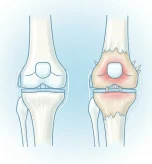
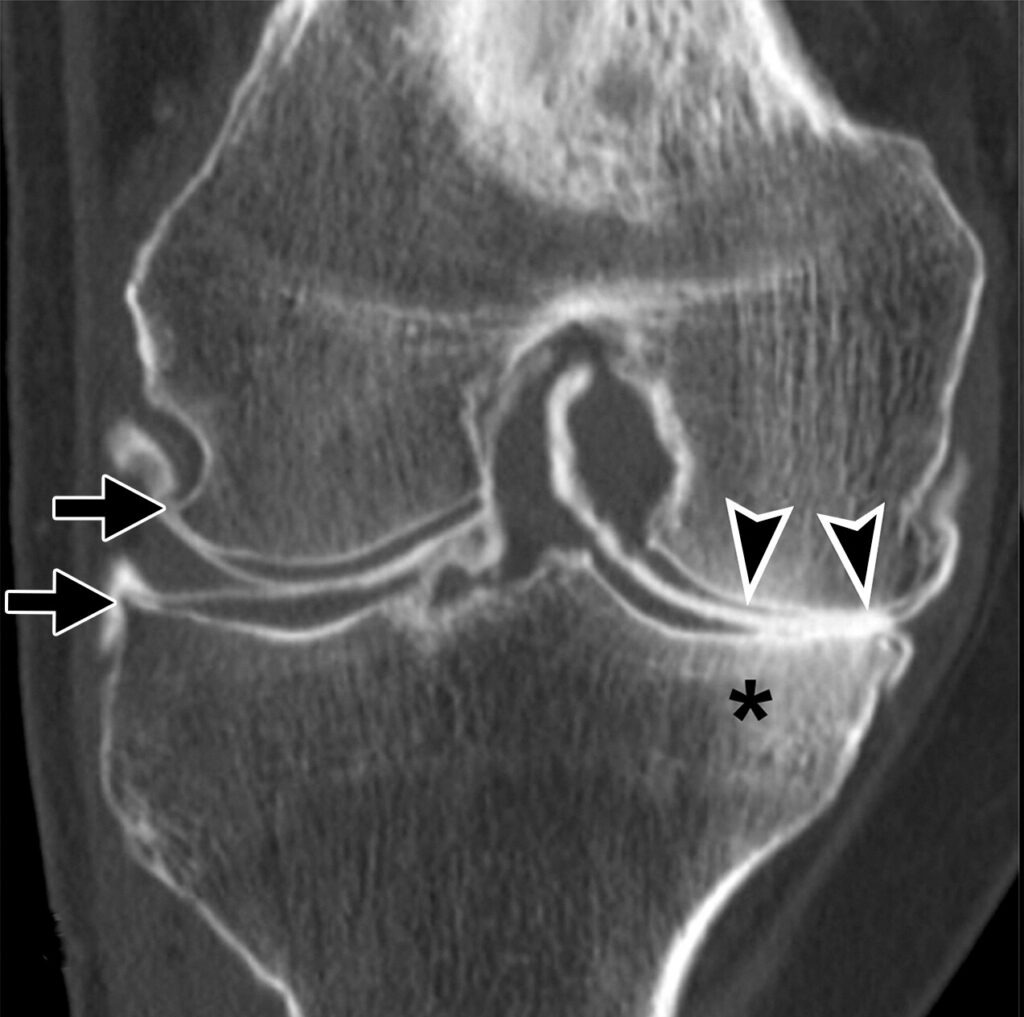
Knee osteoarthritis is a chronic, degenerative joint disease that significantly diminishes patients’ quality of life. The condition is defined by the progressive deterioration of articular cartilage, meniscus, and synovial tissue within the knee joint, producing a clinical presentation characterized by persistent pain, joint swelling, morning stiffness, and reduced range of motion. Over time, structural damage to the joint results in measurable functional impairment, limiting patients’ ability to perform routine daily activities.
Epidemiological Burden
The global prevalence of knee osteoarthritis continues to rise in association with population aging, obesity, and increasingly sedentary lifestyles. In China specifically, data cited in the Guidelines for the Diagnosis and Treatment of Osteoarthritis (2018 Edition), published by the Joint Surgery Group of the Chinese Orthopaedic Association, indicate that the prevalence of symptomatic knee osteoarthritis — defined as a Kellgren & Lawrence (KL) radiographic score of grade II or higher, accompanied by knee pain — is approximately 8.1% among the Chinese population. Given China’s population scale, this figure represents tens of millions of individuals living with the condition.
The Kellgren & Lawrence classification system, based on standardized X-ray assessment, grades knee osteoarthritis into five stages: Grade 0 (normal), Grade I (doubtful narrowing), Grade II (definite osteophytes with possible narrowing), Grade III (moderate multiple osteophytes with definite narrowing), and Grade IV (large osteophytes with marked narrowing and severe sclerosis). This grading system underpins both clinical decision-making and patient eligibility criteria in research protocols.
Where Existing Therapies Fall Short
Current standard-of-care approaches to knee osteoarthritis span non-pharmacological interventions (such as physiotherapy, weight management, and orthotic support), pharmacological management (including analgesics, non-steroidal anti-inflammatory drugs, and intra-articular corticosteroid or hyaluronic acid injections), and surgical procedures ranging from arthroscopic debridement to total knee arthroplasty. While each of these modalities has demonstrated efficacy in managing pain and slowing functional decline, none is capable of meaningfully restoring damaged articular cartilage to its native structural and biomechanical state.
Surgical interventions, in particular, carry inherent risks and may necessitate revision procedures over time — increasing both clinical complexity and economic burden for patients. This persistent therapeutic gap has directed significant research attention toward regenerative approaches, including the application of stem cells capable of promoting tissue repair at the cellular level.
The Scientific Rationale for Mesenchymal Stem Cells in Joint Repair
Mesenchymal stem cells (MSCs) have attracted sustained scientific interest in musculoskeletal medicine due to their well-characterized immunomodulatory properties and their demonstrated capacity for multilineage differentiation. Unlike embryonic stem cells, MSCs can be derived from a variety of adult and perinatal tissue sources — including bone marrow, adipose tissue, and the umbilical cord — with each source offering distinct practical and biological considerations for clinical application.
Why Human Umbilical Cord MSCs Are Being Investigated

Human umbilical cord-derived mesenchymal stem cells (UC-MSCs) are of particular interest for regenerative medicine applications. Harvested from the Wharton’s jelly of discarded umbilical cord tissue following full-term births, UC-MSCs are considered ethically straightforward to collect and demonstrate favorable proliferative characteristics under laboratory conditions.
From a mechanistic standpoint, UC-MSCs possess multipotent differentiation potential, enabling them to develop into chondrocytes — the cells responsible for producing and maintaining cartilage matrix — as well as osteoblasts involved in bone formation. In the context of knee osteoarthritis, this differentiation capacity is hypothesized to support the regeneration of damaged cartilage, potentially restoring aspects of its structural integrity and load-bearing function.
Beyond direct cellular differentiation, UC-MSCs exert paracrine effects through the secretion of anti-inflammatory cytokines and growth factors. These bioactive molecules are thought to suppress pro-inflammatory pathways within the joint microenvironment, attenuate synovial inflammation, and create local conditions more conducive to tissue repair. Together, these dual mechanisms — cellular differentiation and immunomodulatory secretion — form the scientific basis for the therapeutic hypothesis being evaluated in this clinical trial.
Global Evidence Landscape
Despite the scientific plausibility of MSC-based therapy for knee osteoarthritis, the field currently lacks the high-quality, large-scale clinical evidence necessary to establish definitive treatment standards. Key clinical questions remain inadequately resolved, including optimal cell type and source, appropriate dosage parameters, injection frequency, patient selection criteria, and long-term safety profiles beyond 12 to 24 months. Regulatory agencies internationally have emphasized the need for robust, controlled trial data before MSC-based products can be considered for widespread clinical deployment.
From a global market perspective, only one MSC-derived product specifically indicated for knee osteoarthritis has received marketing approval to date — Cartistem, licensed in South Korea. No equivalent commercially approved product currently exists in China or in most other major pharmaceutical markets, underscoring the importance of the ongoing clinical research being conducted at institutions such as the First Affiliated Hospital of Sun Yat-sen University.
Trial Design and Regulatory Framework
NMPA Oversight and Trial Authorization
The clinical investigation now underway at the First Affiliated Hospital of Sun Yat-sen University has been granted implied approval for clinical trials by China’s National Medical Products Administration (NMPA) — the country’s primary pharmaceutical and medical device regulatory authority, functioning within an institutional and legal framework broadly comparable to the U.S. Food and Drug Administration (FDA) or the European Medicines Agency (EMA). The NMPA’s implied approval process signifies that the agency has reviewed the investigational new drug application and raised no substantive objections within the prescribed review period, allowing the trial to proceed under established regulatory provisions.

The investigational product — a formulation of human umbilical cord mesenchymal stem cell injection — currently carries no marketing authorization in China. Its use is therefore confined to the approved clinical trial setting under the conditions specified in the regulatory submission and the approved research protocol.
Standing Within the National Clinical Research Pipeline
The NMPA has to date approved a total of 11 clinical studies evaluating stem cell-based therapies specifically for knee osteoarthritis. Among these, the trial led by the First Affiliated Hospital of Sun Yat-sen University is reported to rank among the top five in terms of overall protocol maturity — a designation reflecting both the rigor of its study design and the efficiency with which the research team has advanced from regulatory approval to first subject dosing.
Phase II Objectives and Study Methodology
The trial is structured as a randomized, double-blind, parallel-controlled Phase II study, in alignment with internationally recognized standards for interventional clinical research. This design is intended to minimize potential sources of bias — including observer bias and placebo effects — while generating statistically interpretable data on both the efficacy and safety of the investigational intervention.
The primary objectives of the Phase II evaluation are:
- To assess the clinical efficacy of human UC-MSC injections in reducing pain and improving functional outcomes in patients with Kellgren-Lawrence Grade II or Grade III knee osteoarthritis.
- To identify the optimal dosage regimen and injection frequency associated with the most favorable benefit-risk profile.
- To systematically evaluate the safety profile of the investigational product, including adverse event monitoring, immunological assessments, and longer-term follow-up data.
Patients eligible for enrollment are those with radiographically confirmed KL Grade II or III disease — a population representing moderate-to-moderately-severe osteoarthritis where cartilage degeneration is established but total joint replacement has not yet been indicated. This patient selection reflects a deliberate regulatory and clinical strategy: targeting a population where disease modification, if achievable, would carry the greatest functional benefit.
Institutional Leadership and Collaborative Research Network
The First Affiliated Hospital of Sun Yat-sen University, operating as a National Medical Center, serves as the principal coordinating institution for the multicenter trial. The Department of Orthopedics and Microsurgery, under the directorship of Professor Sheng Puyi, leads the research program in the capacity of co-principal investigator.
Professor Sheng has articulated the institutional rationale clearly: “We have always adhered to meeting the health needs of the people, ensuring the credibility of research results and the standardization of processes through rigorous protocol design and full-process quality control. Our aim is to take the lead in building a standardized quality management system for the clinical application of stem cells in the Guangdong-Hong Kong-Macao Greater Bay Area.”
The trial engages 10 participating clinical research centers across the Guangdong-Hong Kong-Macao Greater Bay Area, including Sun Yat-sen Memorial Hospital of Sun Yat-sen University and the First Affiliated Hospital of Jinan University. This collaborative network provides geographic diversity in patient recruitment, strengthens the external validity of the data generated, and positions the trial to produce findings with relevance across a demographically varied patient population.
Clinical Milestones and Operational Progress
As of February 6, 2026, the First Affiliated Hospital of Sun Yat-sen University completed the enrollment and initial dosing of the first cohort of trial participants. Subjects in this group received local intra-articular injections of the investigational UC-MSC formulation administered directly into the affected knee joint. The trial’s operational leadership has reported that procedures were conducted in accordance with Good Clinical Practice (GCP) guidelines, with investigational drug handling, labeling verification, and storage condition checks performed jointly by drug administrators and research physicians prior to each administration.
The trial infrastructure is described as operating in a standardized and coordinated manner across all participating centers, with regulatory compliance maintained at each stage of subject screening, informed consent, treatment administration, and safety monitoring.
Broader Implications for Global Stem Cell Research Standards
The initiation of this Phase II trial carries significance that extends beyond its immediate institutional and regional context. The global regenerative medicine field — and the stem cell therapy sector in particular — has faced persistent criticism regarding the quality and generalizability of its clinical evidence base. A substantial proportion of early published data in this field derives from uncontrolled, single-arm, or small-scale studies with limited follow-up periods, making it difficult for regulatory agencies to draw firm conclusions regarding efficacy or long-term safety.

By committing to a multicenter, randomized, double-blind, and parallel-controlled Phase II design, the research team at Sun Yat-sen University is positioning this study to generate the kind of methodologically robust data that international regulatory bodies, clinical guideline committees, and systematic review bodies consider foundational for evidence-based practice standards.
Contribution to Evidence-Based Medicine in Regenerative Orthopedics
The research team has expressed an explicit goal of contributing what it describes as a scientifically credible and broadly generalizable evidence base — one that reflects rigorous clinical research standards applicable across diverse healthcare contexts. In this respect, the trial aims not only to advance domestic regulatory pathways in China but also to contribute to the global scientific literature on mesenchymal stem cell therapy for degenerative joint disease.
Standardization of Stem Cell Clinical Translation
A parallel institutional objective centers on establishing quality management standards for the clinical translation of stem cell therapies within the Greater Bay Area, with the intent that frameworks developed during this trial may inform broader national guidelines. Standardization of cell preparation, storage, quality control, and clinical administration protocols represents a recognized need across the international stem cell research community and is a prerequisite for the eventual regulatory approval of any MSC-based product.
Looking Ahead: From Laboratory to Clinical Practice
The research team at the First Affiliated Hospital of Sun Yat-sen University has emphasized its commitment to advancing this trial with scientific rigor and a consistent focus on participant safety as the overriding priority. The iterative nature of Phase II research means that the study’s findings — regarding both efficacy signals and the safety profile of UC-MSC injection — will directly inform the design of any subsequent Phase III evaluation, should the data support progression.
From the perspective of patients living with knee osteoarthritis who have not achieved adequate relief through available treatments, the development of evidence-based stem cell therapies represents a legitimate area of scientific inquiry with potential long-term clinical relevance. The outcomes of this and similar trials will be essential to determining whether UC-MSC therapy can be responsibly integrated into clinical practice within a regulated, evidence-supported framework.
The project team has stated its intention to continue advancing the clinical research program with adherence to scientific and ethical standards, with the longer-term goal of enabling well-characterized biotechnological interventions to reach patients in a manner that is safe, reproducible, and grounded in transparent evidence.
This article is intended for informational and educational purposes. It does not constitute medical advice, and no clinical outcomes or treatment efficacy are guaranteed. All trial findings referenced are preliminary in nature pending completion of the study protocol and peer-reviewed publication.