Regenerative Medicine for Vitiligo: Clinical Evidence, Safety Data, and Multimodal Outcomes

A systematic review of 48 clinical studies in 2,186 vitiligo patients examines stem cells, PRP, and melanocyte therapies — outcomes, safety, and combination strategies. (156 chars)
Stem Cells and Regenerative Medicine in Vitiligo Treatment: Evidence from 2,186 Patients
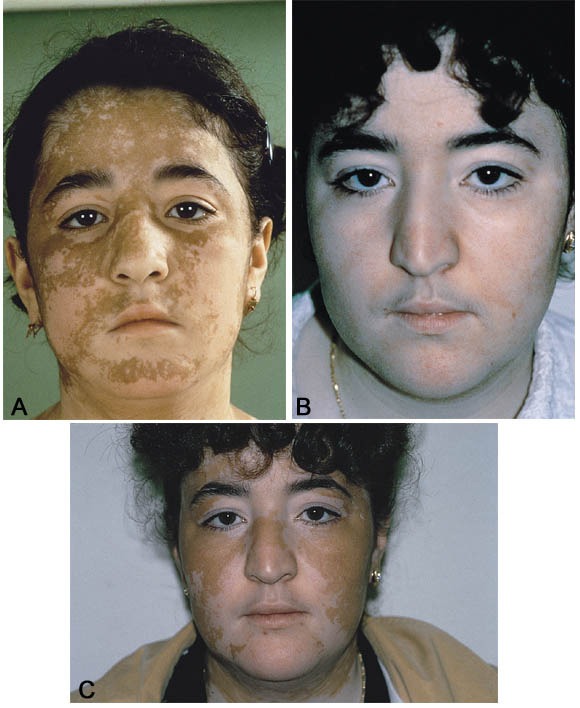
For patients living with vitiligo — a chronic depigmentation disorder affecting the skin — the question of which therapies offer meaningful and durable repigmentation has long been central to clinical management. A 2024 systematic review published in the Journal of Cosmetic Dermatology (J Cosmet Dermatol) provides one of the most comprehensive evaluations to date, drawing on 48 eligible studies and data from 2,186 patients to assess the efficacy and safety of regenerative medicine approaches, including stem cell-based therapies, platelet-rich plasma (PRP), melanocyte transplantation, and combination treatment protocols.
The review, conducted by researchers at the Iranian University of Medical Sciences and published in November 2024, found that regenerative therapies — particularly those involving cell therapy and PRP — demonstrated measurable repigmentation effects in the majority of patients studied, with adverse reactions generally mild to moderate in severity. These findings contribute to a growing evidence base that positions regenerative medicine, including approaches utilizing stem cells, as a scientifically relevant area of inquiry in the management of vitiligo.
Regenerative medicine approaches to vitiligo focus on restoring melanocyte function and repigmentation through cell-based interventions.
Background: Regenerative Medicine in Dermatology
Vitiligo is an autoimmune-mediated skin disorder characterized by the progressive loss of melanocytes — the pigment-producing cells responsible for skin color. It affects individuals across all demographics and carries significant psychosocial impact. While conventional treatments such as narrowband ultraviolet B (NB-UVB) phototherapy and topical agents can slow progression, achieving consistent and sustained repigmentation remains a clinical challenge.
Regenerative medicine offers a distinct therapeutic paradigm. Rather than suppressing disease activity alone, regenerative approaches aim to restore lost cellular function — in vitiligo’s case, by reintroducing or stimulating the proliferation of functional melanocytes. The same group of researchers at the Iranian University of Medical Sciences has also published findings in the International Wound Journal (Int Wound J) examining regenerative medicine for other inflammatory skin conditions and external injuries, including androgenetic alopecia and hypertrophic scars, underscoring the broader applicability of these strategies across dermatological disciplines.

Cell therapy, PRP, melanocyte transplantation, keratinocyte transplantation, and the systemic injection of mesenchymal stem cells (MSCs) each represent distinct mechanisms of action. The 2024 systematic review evaluated all of these modalities within a unified analytical framework to identify comparative efficacy, safety signals, and gaps in the current evidence base.
Methodology: Systematic Review Design and Study Selection
The research team conducted a systematic search across four major biomedical databases: PubMed, Scopus, Embase, and Web of Science. Study selection and data extraction were managed using EndNote X8 and Google Sheets, with reviewers evaluating articles based on participant demographics, improvement criteria, and follow-up intervals. Risk of bias was assessed using the Cochrane Risk of Bias 2.0 tool.
From an initial pool of 877 articles, 48 studies met the eligibility criteria for final inclusion. These studies encompassed data from 2,186 vitiligo patients across 76 intervention groups. The participant demographics skewed slightly female (nearly 50% of participants), with a mean patient age of 29.7 years. Study designs included 26 randomized clinical trials (54.2%), 15 single-arm clinical trials (31.2%), 5 non-randomized clinical trials (10.4%), and 2 case series (4.2%).
The methodological diversity of included studies is reflected in the risk of bias assessment: 37.21% of studies were rated as having a low overall risk of bias, 13.95% were rated as having some concerns, and nearly half were assessed as carrying a high overall risk. The authors noted that biases related to outcome data and outcome measurement were generally well managed, and that all studies demonstrated a low risk of selective reporting.
Systematic review methodology involved analysis of 48 studies across multiple clinical trial designs, covering 2,186 patients and 76 intervention groups.
Key Findings by Intervention Type
Autologous Uncultured Melanocyte–Keratinocyte Transplantation
The largest patient cohort in the review — 802 patients — underwent autologous uncultured melanocyte-keratinocyte transplantation. This procedure involves harvesting and transplanting a suspension of the patient’s own melanocytes and keratinocytes to depigmented skin areas. The findings were notable: more than 50% of patients in this cohort achieved measurable pigment restoration within 9 months of treatment.
When melanocyte transplantation was combined with NB-UVB phototherapy, outcomes were further enhanced. Combined therapy was associated with a reduction in depigmented surface area of approximately 42%, illustrating the clinical value of multimodal treatment approaches in vitiligo management.
Platelet-Rich Plasma (PRP)
A total of 338 patients received PRP injections, with an average hyperpigmentation rate of 58.7% across relevant studies. Comparative analysis within the review found PRP to be superior to microneedling alone in terms of pigmentation response. When PRP was combined with CO2 laser therapy, approximately 40% of patients achieved a hyperpigmentation rate exceeding 75% after three months of treatment. Additional combination strategies — including NB-UVB phototherapy, psoralen, and sunlight (PUVASOL) — also demonstrated statistically significant pigmentation outcomes.
Hair Follicle Cell Transplantation
Hair follicle-based cell therapy was evaluated in 268 patients, with positive pigmentation outcomes consistently observed at four to six months post-treatment. The combination of hair follicle transplantation with calcipotriol betamethasone dipropionate yielded a success rate of 93.8%, while combination with NB-UVB phototherapy produced a success rate of 81.2%. These figures suggest that follicle-based approaches may be particularly amenable to combination protocols.
Isolated Melanocyte Transplantation
In a cohort of 572 patients who underwent isolated melanocyte transplantation, all relevant studies demonstrated statistically significant improvements in pigmentation (p ≤ 0.05). Comparable results were also reported in studies investigating melanocyte-keratinocyte suspensions in PRP, with consistent statistical significance across included trials.
Emerging and Less-Studied Interventions
Several regenerative approaches were each evaluated in a single study within the review, including combined cell transplantation from the epidermis and hair follicles, melanocyte-keratinocyte transplantation with plasma-rich fibrin, and anemic platelet-rich plasma injection. Despite the limited evidence base, each of these interventions demonstrated significant differences in pigmentation rates compared to control conditions, warranting further investigation in larger, well-designed trials.
Intervention types reviewed ranged from PRP and melanocyte transplantation to follicle-based cell therapy and MSC injection, each demonstrating measurable pigmentation responses.
The Role of Stem Cells and Mesenchymal Cell Therapies
Within the broader landscape of regenerative medicine evaluated in this review, stem cell-based interventions — including the systemic injection of mesenchymal stem cells (MSCs) and suspension-based melanocyte preparations — represent a particularly active area of inquiry. MSCs, which can be derived from bone marrow, adipose tissue, and other adult tissue sources, possess immunomodulatory and anti-inflammatory properties that are theoretically relevant to vitiligo’s autoimmune etiology.
The review’s inclusion of melanocyte-keratinocyte suspensions in PRP and combination protocols involving cell transplantation reflects the practical overlap between stem cell science and clinical dermatology. Researchers observed significant pigmentation outcomes across these suspension-based approaches (p ≤ 0.05), providing quantitative support for continued clinical investigation. The systemic administration of MSCs was also among the modalities assessed, further extending the scope of stem cell therapy beyond topical or localized applications.
As the field advances, researchers have identified exosomes — extracellular vesicles derived from stem cells — as a next-generation approach that has not yet been rigorously evaluated in vitiligo clinical trials. The authors of the review specifically identified exosome-based therapy as a priority area for future research, suggesting that the intersection of stem cell science and vitiligo management is expected to grow in both scope and clinical relevance.
Stem cells including MSCs contribute immunomodulatory effects relevant to vitiligo’s autoimmune pathology, forming a mechanistic basis for cell-based therapeutic investigation.
Safety Profile: Adverse Reactions Across Regenerative Therapies
A consistent finding across the reviewed studies was the favorable safety profile of regenerative therapies in the context of vitiligo treatment. Common adverse reactions included injection site pain, erythema, localized swelling, bruising, redness, and a limited risk of infection — all of which were characterized as mild to moderate in severity. Critically, no serious adverse events were reported across the included studies.
This safety profile is clinically significant. For patients with vitiligo — a chronic condition often requiring long-term management — the tolerability of any treatment regimen is as important as its efficacy. The absence of serious adverse events across a pooled population of over 2,000 patients and 48 studies provides a degree of reassurance about the near-term safety of these approaches under appropriate clinical oversight, while acknowledging that longer-term follow-up data remain limited for several of the modalities reviewed.
Combination Therapy: Evidence for Multimodal Approaches
One of the most consistent themes across the review’s findings was the added benefit of combining regenerative therapies with established dermatological treatments. The pairing of melanocyte transplantation with NB-UVB phototherapy, hair follicle cell therapy with calcipotriol betamethasone dipropionate, PRP with CO2 laser therapy, and PRP with PUVASOL each demonstrated enhanced outcomes compared to monotherapy approaches.
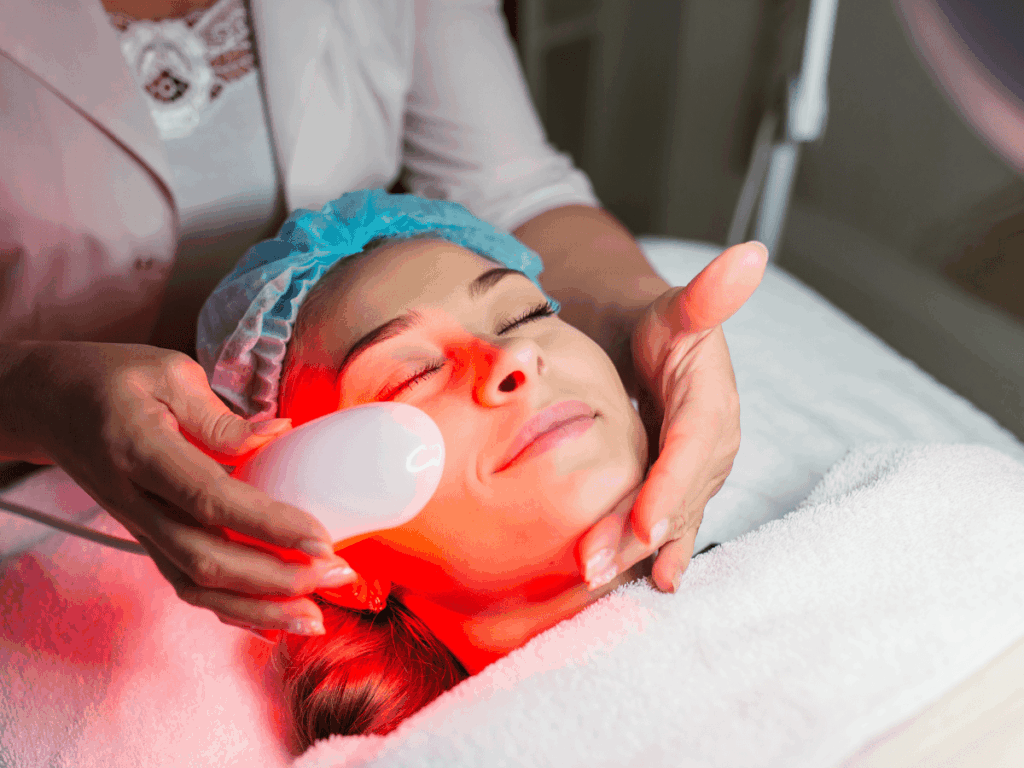
The clinical rationale for multimodal approaches in vitiligo is well-established: phototherapy stimulates residual melanocyte activity and supports the migration and proliferation of transplanted cells, while anti-inflammatory adjuncts may create a more favorable tissue environment for engraftment. The quantitative outcomes reported in the review — including the 93.8% success rate for hair follicle transplantation combined with calcipotriol betamethasone, and the 42% reduction in depigmented area with melanocyte transplantation plus NB-UVB — illustrate that combination protocols are not merely additive but may be synergistic.
These findings have practical implications for clinical protocol design. Clinicians considering regenerative approaches for vitiligo should evaluate whether combination strategies are feasible for individual patients, taking into account disease extent, skin type, prior treatment history, and patient preference. The evidence reviewed here supports the hypothesis that selecting complementary modalities based on mechanism of action may improve outcomes over single-intervention approaches.
Combination protocols integrating cell therapy with phototherapy and topical agents demonstrated enhanced repigmentation outcomes across multiple patient cohorts.
Limitations, Research Gaps, and Future Directions
Despite the encouraging findings, the authors are explicit about the limitations of the existing evidence base. Nearly half of the included studies were assessed as carrying a high overall risk of bias, reflecting challenges in study design that are common in early-phase clinical research — including limited sample sizes, variability in outcome measurement, and inconsistencies in follow-up duration. As the authors noted, the field would benefit from more rigorous study designs, transparent randomization methods, and standardized interventions to improve the quality and comparability of future research.
Several promising approaches — including exosome-based therapy, combination protocols involving stromal vascular fraction, and stem cell-conditioned medium — have not yet been evaluated in large-scale vitiligo trials. The review identifies these as priority areas for future investigation. Long-term follow-up data, which would allow assessment of durability and patient quality of life over extended periods, are also largely absent from the current literature.
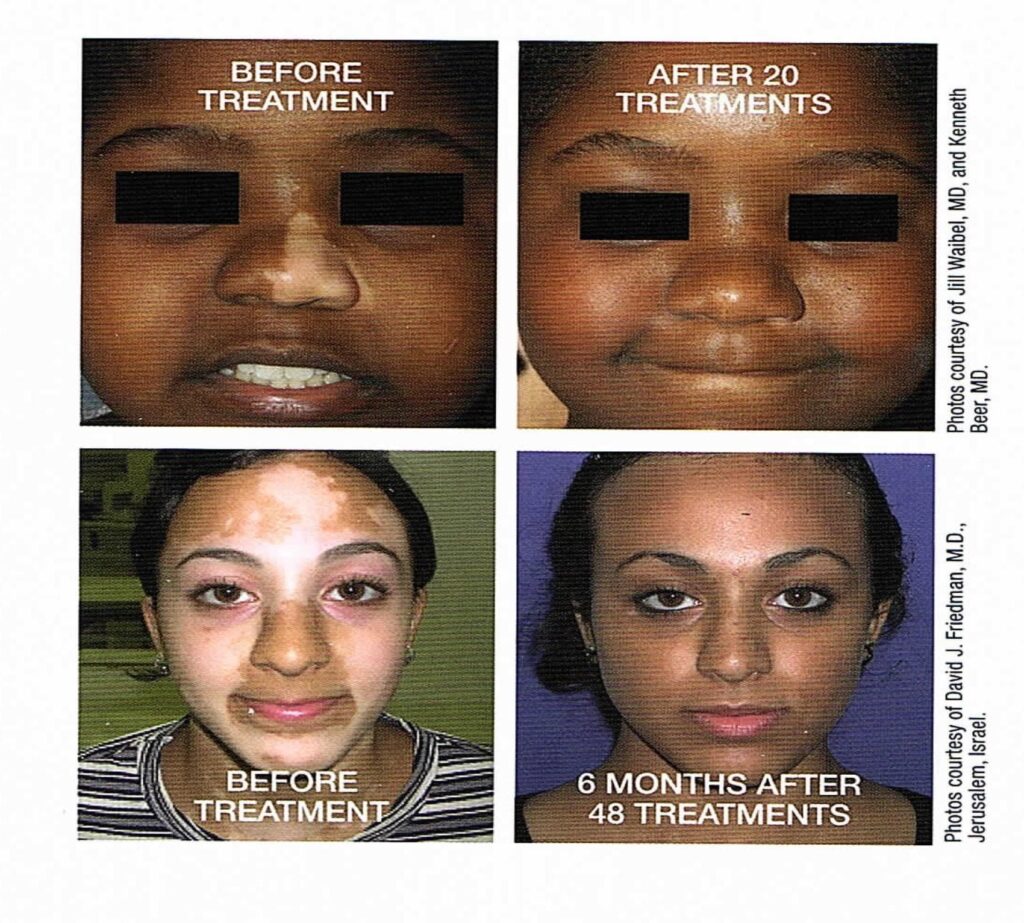
The authors’ conclusion is measured but positive: while each regenerative therapy demonstrated encouraging short- to medium-term outcomes, particularly within combination protocols, the field requires continued methodological investment before definitive clinical recommendations can be established. The sustainability of repigmentation, the identification of optimal candidates for specific interventions, and the integration of patient-reported outcomes remain important unanswered questions.
Conclusion
The 2024 systematic review published in J Cosmet Dermatol provides a valuable synthesis of clinical evidence on regenerative medicine for vitiligo, grounded in data from 2,186 patients across 48 studies. Its findings support the clinical potential of cell therapy, PRP, melanocyte transplantation, and combination approaches in achieving measurable repigmentation, with a safety profile that compares favorably to many conventional interventions.
The inclusion of stem cell-derived and MSC-based modalities in this evidence base reflects the growing overlap between regenerative medicine and clinical dermatology. As research continues — particularly in the areas of exosome therapy and long-term outcome tracking — the role of stem cells in vitiligo management is likely to expand. Clinicians, researchers, and patients engaged with this condition will benefit from following the evolving evidence closely and applying findings within the framework of sound clinical judgment and institutional ethics review.
References
1. Jafarzadeh A, Mohammad AP, Goodarzi A. A Systematic Review of Case Series and Clinical Trials Investigating Regenerative Medicine for the Treatment of Vitiligo. J Cosmet Dermatol. Published online November 7, 2024. doi:10.1111/jocd.16660
2. Jafarzadeh A, PourMohammad A, Goodarzi A. A systematic review of the efficacy, safety and satisfaction of regenerative medicine treatments, including platelet-rich plasma, stromal vascular fraction and stem cell-conditioned medium for hypertrophic scars and keloids. Int Wound J. 2024;21(4):e14557. doi:10.1111/iwj.14557