
NK Cell Therapy for Solid Tumors: What Patients Need to Know About This New Stem Cells-Based Treatment

A new NK cell therapy using stem cell science is now approved for 8 solid tumors in China’s Boao Lecheng Pilot Zone. Here’s what patients need to know.
A New Immune Cell Therapy Is Now Available for Eight Types of Cancer — Here’s What You Should Know
If you or someone you love has been diagnosed with a solid tumor, you’ve probably wondered: are there newer treatment options beyond surgery, chemo, or radiation? The answer, in at least one carefully regulated setting, is yes.
In February 2026, a treatment called autologous NK cell adjuvant therapy was officially approved for clinical use at the Boao Lecheng International Medical Tourism Pilot Zone in Hainan, China. It covers eight common cancer types and is built on decades of research into stem cells and how the body’s immune system fights disease.
This article breaks it all down in plain language.
So, What Exactly Are NK Cells?
NK stands for natural killer. These are immune cells your body already makes — and they’re remarkably good at spotting and destroying cancer cells without needing special instructions to do so.
Most immune treatments have to be “trained” to recognize a specific type of cancer. NK cells don’t. They patrol the body on their own and attack cells that look abnormal — including tumor cells — naturally.
Here’s how they do it:
They punch holes in cancer cells using proteins called perforin and granzymes, which cause those cells to self-destruct. At the same time, they send out chemical signals that wake up other immune cells — like T cells and B cells — turning your whole immune system into a more coordinated defense network.
NK cells are closely connected to stem cell science. They develop from hematopoietic stem cells in the bone marrow, and researchers have used advances in stem cell biology to improve how NK cells are grown and activated outside the body for clinical use.
Which Cancers Does This Therapy Cover?
The approved protocol targets eight solid tumor types:
Lung cancer, breast cancer, gastric (stomach) cancer, pancreatic cancer, ovarian cancer, liver cancer, prostate cancer, and colorectal cancer.
Together, these represent a large share of cancer cases diagnosed globally each year, making this one of the broader cell therapy approvals seen in this regulatory setting.
How Does the Treatment Actually Work?
The process is straightforward to understand, even if the science behind it is complex:
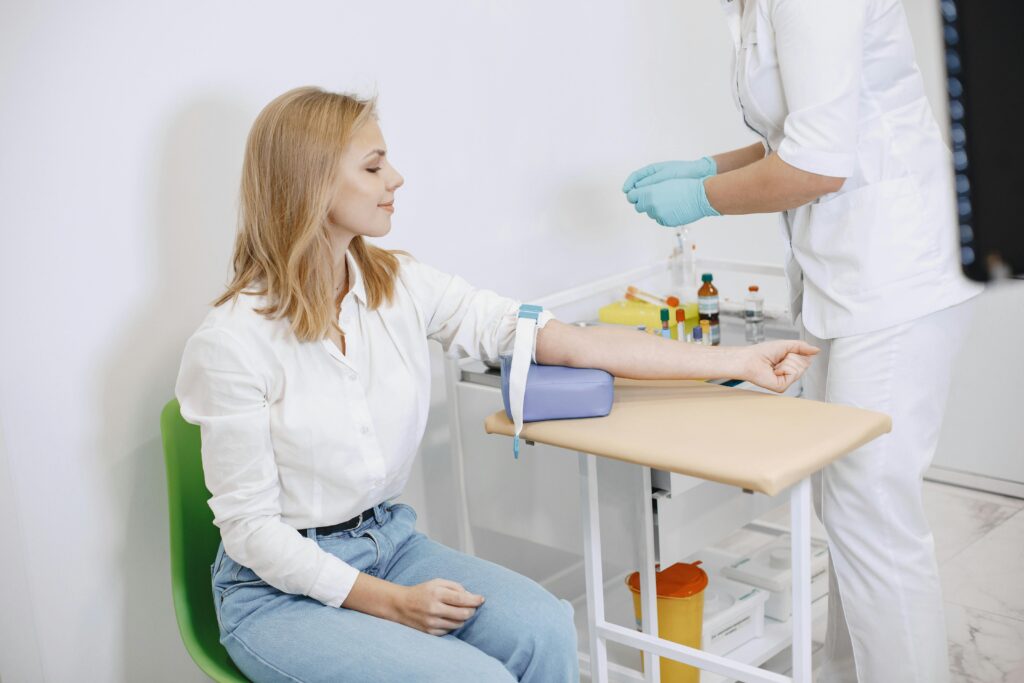
- Blood is drawn from the patient.
- NK cells are isolated from that blood and sent to a laboratory.
- The cells are expanded and activated — grown into larger numbers and primed to fight cancer more effectively.
- Quality checks are performed to ensure the cells meet strict purity (≥95%) and viability (≥90%) standards.
- The cells are reinfused back into the patient.
Because the cells come from the patient’s own body, the risk of immune rejection is very low — a significant safety advantage compared to therapies that use donor cells.
This therapy is produced by Qianjing Biotechnology under GMP (Good Manufacturing Practice) standards — the same international quality framework used for pharmaceutical production worldwide.
How Is This Different From CAR-T Therapy?
You may have heard of CAR-T therapy, which has received regulatory approval in the US, EU, and China for certain blood cancers. It’s effective, but it has two major limitations: it requires genetic modification of cells, and it’s typically designed to target one specific cancer antigen — meaning it works for specific cancers, not solid tumors broadly.
NK cell therapy, by contrast, doesn’t require genetic modification. It uses the cell’s natural ability to recognize and destroy a wide range of tumor types — which is why it can cover eight different cancers in a single approved protocol.
The other major difference is cost. CAR-T therapy in China can exceed CNY 1,000,000 (roughly USD 137,000) per course. NK cell therapy at Boao Lecheng is priced at CNY 49,800 per session, with a standard course of six sessions totaling CNY 298,800 (approximately USD 41,000). It’s still a significant investment, but it’s a much lower barrier than previous options.
What Do the Clinical Results Show?
Early clinical data from the approved protocol reports an overall disease control rate of over 73.7% across the eight covered tumor types. For liver cancer specifically, the figure is 88.9%.
A quick note on what “disease control rate” means: it measures how many patients experience their tumor shrinking, partially responding, or staying stable — it is not the same as a cure rate. These are adjuvant therapy results, meaning the therapy was used alongside other treatments, not on its own.
No serious adverse reactions were reported among liver cancer patients in the documented cases. This is notable because many conventional cancer treatments carry significant toxicity risks.
Is This a Cure? Important Things to Understand Before Considering Treatment
No — and it’s important to be clear about this. NK cell therapy at Boao Lecheng is an adjuvant treatment, not a standalone cure. It’s designed to work alongside surgery, chemotherapy, radiation, or targeted drugs — not replace them.
It’s currently most appropriate for three types of patients:
- Those who have had surgery and want to reduce the risk of recurrence
- Those who have completed chemo or radiation and need immune recovery
- Those with advanced cancer who are in a palliative management phase
Whether you qualify requires a full clinical assessment by specialists at West China Lecheng Hospital of Sichuan University, the institution authorized to deliver this therapy.
What About the Regulatory Framework?
Boao Lecheng operates under a special national policy that allows selected advanced medical technologies to be used clinically within the pilot zone before they complete China’s full national approval process. This is a deliberate and structured mechanism — not a loophole — designed to expand patient access under supervised conditions.

It functions similarly to designated innovation access frameworks in other countries, such as the FDA’s accelerated approval pathways or the EMA’s conditional marketing authorization. The key difference is that Boao Lecheng applies this at a geographic level, concentrating regulated early access within a defined zone.
Patients should only seek this treatment through institutions formally registered with the Boao Lecheng Medical Center. Unregistered providers operating outside this framework carry serious safety risks.
Cost and Insurance: The Practical Reality
The full course of six treatments costs CNY 298,800. This is not currently covered by China’s national medical insurance. Patients pay entirely out of pocket.
West China Lecheng Hospital of Sichuan University does offer some flexibility — installment payment plans and welfare assistance programs may be available for patients who qualify. It’s worth asking about these options before making any financial commitments.
What’s Coming Next in NK Cell Therapy?
Several companies are currently developing “off-the-shelf” NK cell products — therapies made in advance from donor-derived stem cell sources (including cells derived from induced pluripotent stem cells, or iPSCs) that can be stored and used immediately without custom manufacturing for each patient.
If successful, these products could reduce waiting times, lower costs further, and make NK cell therapy accessible to a much wider patient population. Multiple clinical trials are underway globally, registered in databases such as ClinicalTrials.gov. Whether these products will eventually qualify for medical insurance coverage depends on the strength of that evidence base.
Conclusion
Cancer treatment is evolving, and NK cell therapy is a promising sign of where things are heading — more accessible, broader in scope, and built on solid science rooted in stem cell research.
It won’t work for everyone, and it isn’t a cure on its own. But for patients with the right profile, it offers a genuine addition to their treatment plan.
If this therapy sounds relevant to your situation, the best next step is a conversation with a qualified specialist — not a decision made alone. As research continues and more data emerges, treatments like this one may become available to even more patients around the world.
The fight against cancer is long. But the tools are getting better.