
Navigating the Regulatory and Clinical Landscape of Stem Cells in Ovarian Cancer
Explore clinical research on natural killer cells derived from stem cells for recurrent ovarian cancer, focusing on safety, compliance, and patient outcomes.
Recurrent epithelial ovarian cancer presents a significant clinical challenge, often characterized by high recurrence rates and limited long-term treatment options following standard chemotherapy protocols. Recent clinical research published in the 2026 issue of Gynecologic Oncology evaluates the safety and feasibility of utilizing natural killer (NK) cells derived from umbilical cord blood stem cells, administered via intraperitoneal infusion, to address this therapeutic gap. The INTRO-01 Phase I trial, led by Radboud University Medical Center in the Netherlands in collaboration with Amfia Hospital, provides critical preliminary data regarding the tolerability and early clinical responses of this cellular therapy.
The Clinical Rationale for Stem Cells-Derived NK Therapies
Historically, the management of recurrent ovarian cancer has relied heavily upon platinum-based chemotherapies and PARP inhibitors. However, high recurrence rates and a median survival of approximately two years in recurrent cases underscore the necessity for novel modalities. In the broader landscape of oncology clinical research, immunotherapy—particularly cell-based therapies—has garnered significant attention.
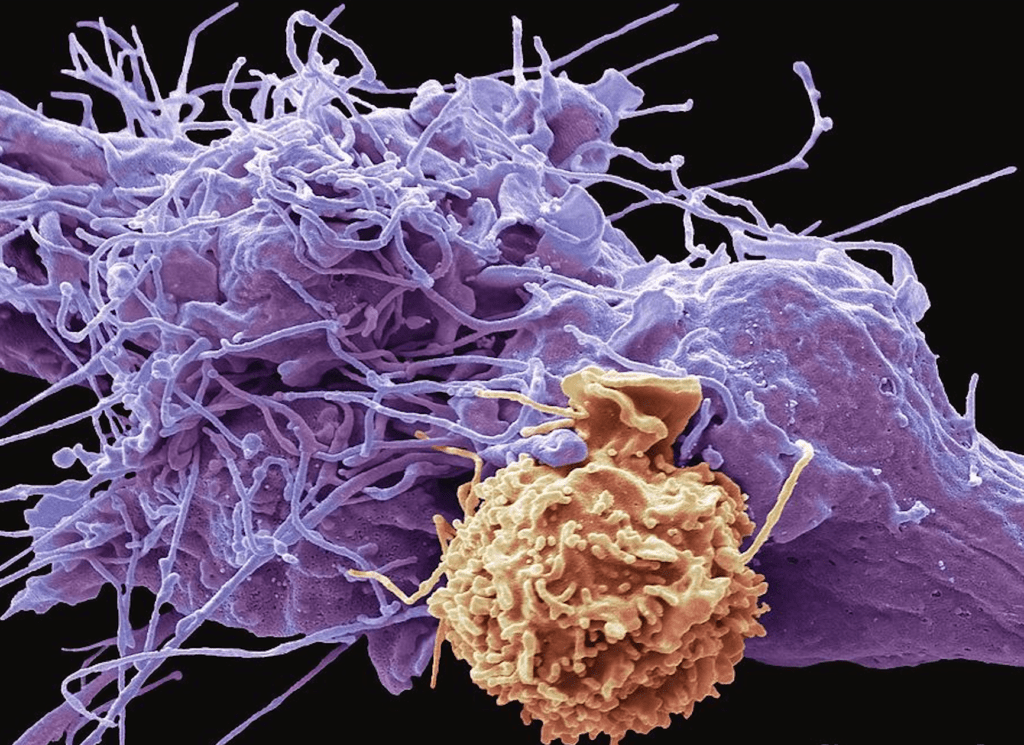
While chimeric antigen receptor T-cell (CAR-T) therapy has demonstrated efficacy in specific hematological malignancies, its application in solid tumors such as epithelial ovarian cancer faces distinct microenvironmental and targeting challenges. Consequently, natural killer (NK) cells have emerged as a primary focus for solid tumor research. NK cells function as a core component of the innate immune system, capable of identifying and eliminating aberrant cells without prior antigen sensitization, while generally sparing healthy tissues.
Furthermore, the utilization of allogeneic NK cells, specifically those derived from umbilical cord blood stem cells, addresses several logistical and clinical barriers associated with autologous therapies. These allogeneic products eliminate the challenges of harvesting functional immune cells from patients heavily pre-treated with immunosuppressive chemotherapies. They also allow for the standardized, scalable manufacturing of cell products, aligning with strict global compliance standards and facilitating off-the-shelf availability.
Intraperitoneal Administration: Enhancing Localized Delivery
A defining characteristic of advanced ovarian cancer is its propensity for widespread peritoneal dissemination. Recognizing this pathology, the research team for the INTRO-01 trial strategically utilized intraperitoneal infusion rather than systemic intravenous administration.
This localized delivery mechanism is a well-established concept in gynecologic oncology, akin to the principles underlying intraperitoneal chemotherapy and hyperthermic intraperitoneal chemotherapy (HIPEC). By administering the stem cells-derived NK product directly into the peritoneal cavity, clinicians aim to maximize the local concentration of the therapeutic agent precisely at the site of the tumor lesions. This approach theoretically prolongs the residence time of the effector cells within the tumor microenvironment while concurrently mitigating the risk of systemic toxicities and off-target effects.
Phase I Trial Protocol and Regulatory Compliance
The INTRO-01 clinical trial was designed primarily to assess the safety profile and feasibility of the proprietary NK cell product, RNK001. Operating under rigorous ethics review and continuous safety monitoring, the study initially planned to enroll 12 patients presenting with a second recurrence of epithelial ovarian cancer and elevated CA125 tumor markers.
Patient Cohorts and Dosing Parameters
The protocol stratified participants into two distinct cohorts to evaluate the intervention with and without prior lymphodepleting chemotherapy. The first cohort of six patients received the direct intraperitoneal infusion of RNK001 without preparatory chemotherapy. The second cohort was designated to receive a mild lymphodepleting regimen comprising cyclophosphamide and fludarabine prior to infusion—a standard practice in cellular therapy aimed at mitigating host immune rejection of allogeneic cells. However, due to patient preference for a chemotherapy-free approach, only one patient was enrolled and completed treatment within this second cohort.
Ultimately, seven patients successfully received the intraperitoneal intervention. The administered doses ranged from 1.2 to 3.0 × 10⁹ NK cells. To support the in vivo persistence and activation of the infused cells, six of the seven patients also received concurrent intraperitoneal infusions of Interleukin-2 (IL-2). The administration was facilitated via a laparoscopically placed intraperitoneal port, with baseline assessments confirming adequate diffusion capacity of peritoneal fluids. The procedural phase was completed without complications such as port occlusion or acute infusion reactions.
GMP-Compliant Manufacturing
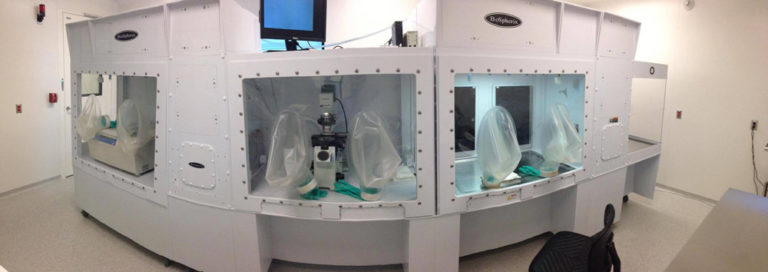
The RNK001 product utilized in this study underscores the importance of a robust regulatory framework in advanced therapy medicinal products (ATMPs). The allogeneic NK cells were expanded in vitro from umbilical cord blood hematopoietic stem cells in strict adherence to Good Manufacturing Practice (GMP) standards. Quality control metrics demonstrated an average purity of 90% for CD56+CD3- NK cells and a cellular viability of 99%. All batches passed rigorous testing for microbial contamination and endotoxin limits, satisfying the compliance requirements necessary for human clinical application.

Safety Profile and Preliminary Clinical Observations
As a Phase I study, the primary endpoint was the evaluation of safety and tolerability. The data indicates that the RNK001 intervention was generally well-tolerated, demonstrating a manageable safety profile devoid of severe dose-limiting toxicities.
Adverse Events Assessment
Crucially, none of the seven patients developed graft-versus-host disease (GVHD) or cytokine release syndrome (CRS)—two of the most significant and potentially life-threatening complications associated with allogeneic cell therapies. Grade 3 adverse events were limited to two occurrences: one instance of transient liver enzyme elevation which resolved spontaneously within two weeks, and one case of intestinal obstruction. The latter was clinically evaluated as a consequence of underlying disease progression rather than a toxicity related to the NK cell infusion. Patients receiving the supportive IL-2 therapy exhibited expected, low-grade reactions such as fever and chills, which were adequately managed with standard antipyretics like acetaminophen.
Tumor Marker Response and Survival Data
While efficacy is a secondary endpoint in Phase I trials, preliminary observational data provided measurable indicators of biological activity. Prior to treatment, all enrolled patients exhibited significantly elevated CA125 levels. Fourteen days post-infusion, five of the seven patients demonstrated a quantifiable decrease in CA125, ranging from a 20% to 53% reduction.
One notable case (patient INTRO-07) achieved a progression-free survival (PFS) of nine months following a single infusion. Diagnostic imaging for this patient indicated a 63% reduction in an abdominal lesion (from 38mm to 14mm) and a 49% reduction in a hepatic metastasis (from 37mm to 19mm). Furthermore, this patient demonstrated an overall survival (OS) extending to 42 months post-infusion, with follow-up ongoing as of late 2025. Across the entire treated cohort of seven patients, the average overall survival was calculated at 18 months. Additionally, pharmacokinetic sampling indicated transient survival of the RNK001 cells within the peritoneal cavity, alongside evidence that IL-2 administration stimulated broader systemic immune activation.

Strategic Optimizations and Future Clinical Directions
While the INTRO-01 trial provides foundational evidence supporting the feasibility of intraperitoneal allogeneic NK cell therapy, the study parameters were inherently limited by a small sample size and the predominantly single-infusion protocol. Most patients experienced a rebound in CA125 levels and subsequent disease progression approximately 28 days post-infusion. To advance this therapeutic modality within the clinical research pipeline, several protocol optimizations are necessary.
Multi-Dosing and Cytokine Substitution
Future clinical frameworks will likely evaluate multi-dosing regimens to sustain the therapeutic concentration of NK cells within the peritoneal microenvironment. Furthermore, transitioning from IL-2 to alternative cytokines, such as IL-15 or its superagonists (e.g., N-803), represents a highly anticipated refinement. IL-15 offers the pharmacological advantage of specifically activating NK cells and memory T cells without concurrently stimulating regulatory T cells (Tregs), thereby potentially enhancing the anti-tumor response while reducing systemic side effects.
CAR-NK Engineering and Combination Therapies
Advancements in genetic engineering present the opportunity to develop Chimeric Antigen Receptor (CAR)-NK cells from these stem cells sources. By engineering the NK cells to express receptors targeting specific ovarian cancer antigens—such as EpCAM, FOLR1, or MUC1—researchers aim to enhance tumor recognition and targeted cytotoxicity.
Additionally, investigating synergistic combinations with standard-of-care treatments, particularly platinum-based chemotherapies, remains a critical next step. Preclinical data suggests that specific chemotherapeutic agents may positively modulate the tumor microenvironment by depleting immunosuppressive cells, theoretically creating a more hospitable niche for the infused NK cells to engraft and exert their therapeutic effects.
The progression of RNK001 and similar stem cells-derived therapies into Phase II and Phase III clinical trials will require strict adherence to global compliance standards and continuous ethics review. Expanding the cohort sizes and formally comparing lymphodepletion strategies will be essential steps in definitively establishing the clinical utility of allogeneic NK cell therapy in the management of advanced epithelial ovarian cancer.
Conclusion
The INTRO-01 Phase I clinical trial provides foundational evidence supporting the safety and feasibility of utilizing umbilical cord blood stem cells-derived NK cells for the treatment of recurrent epithelial ovarian cancer. By demonstrating a manageable toxicity profile and preliminary indications of biological activity through localized intraperitoneal administration, this study establishes a critical baseline for the application of allogeneic cellular therapies in solid tumors.
While these early-stage results are encouraging, the integration of RNK001 and similar therapies into standard clinical practice necessitates rigorous, large-scale evaluation. The transition into Phase II and Phase III clinical trials will be essential to statistically validate efficacy, optimize multi-dosing regimens, and explore synergistic combinations with existing platinum-based chemotherapies. As research progresses under strict regulatory oversight, stem cells-derived NK interventions represent a compelling avenue for future investigation, holding the potential to eventually form part of a comprehensive, multi-modal treatment strategy for advanced ovarian cancer.