
Investigational Stem Cells Therapeutics in Spinal Cord Injury Clinical Research

How are emerging cellular therapies being systematically evaluated for the management of severe neurological trauma? This overview examines the interim clinical data from a registered trial evaluating the safety and preliminary efficacy of investigational induced pluripotent stem cell (iPSC)-derived progenitor cells for subacute spinal cord injury at 180 days post-administration. As the international medical community investigates regenerative medicine, rigorous adherence to standardized clinical research protocols remains essential to evaluating the physiological impact of stem cells within a compliant and ethical regulatory framework.
Case Presentation and Baseline Medical Assessment
The clinical subject, a 54-year-old male, sustained a severe spinal cord injury following a motor vehicle collision on June 6, 2025. The initial trauma resulted in fractures and structural instability of the C4 and C5 vertebrae. The mechanical force, combined with spinal cord compression caused by displaced bone fragments at the posterior edge of the C4 vertebral body, led to profound neurological deficits. Initial emergency interventions at a local medical facility included high-dose methylprednisolone pulse therapy, cranial traction, and dehydration protocols.
Upon subsequent admission to the Department of Orthopedics at the Third Affiliated Hospital of Sun Yat-sen University on June 19, 2025, comprehensive neurological evaluations were conducted. The patient presented with grade 0 muscle strength in both upper limbs below the level of elbow flexion, diminished light touch sensation below the C5 dermatome, and an absence of pinprick sensation. Additionally, the patient exhibited loss of bowel and bladder control. The baseline American Spinal Injury Association (ASIA) Impairment Scale assessment resulted in a score of 82, classified as ASIA Grade B.
Surgical Intervention and Investigational Cellular Therapy
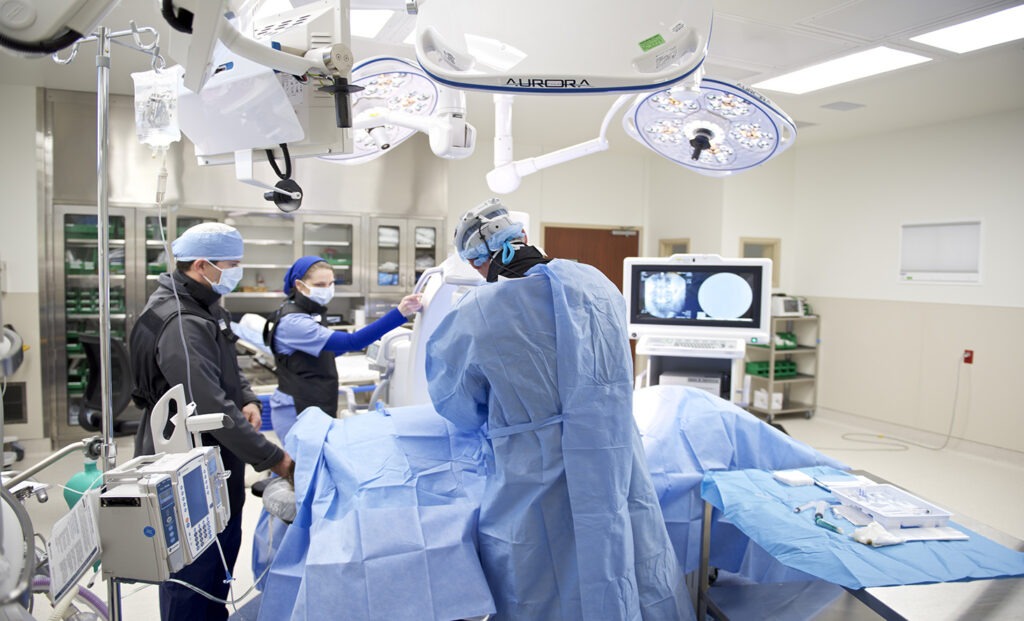
Following a thorough preoperative physiological assessment, the principal clinical investigator, Professor Rong Limin, led an anterior cervical decompression and fusion surgery on June 24, 2025. The procedure successfully stabilized the cervical spine, and the patient demonstrated a stable postoperative recovery trajectory.
With the mechanical compression resolved, the clinical team proceeded with the investigational cellular intervention. On July 17, 2025, adhering to strict clinical research protocols and following comprehensive patient preparation, the team performed an intrathecal transplantation of XS228 cell injection. This novel, investigational biologic consists of spinal cord neural progenitor cells derived from human allogeneic iPSCs. Post-administration monitoring indicated no acute adverse reactions; all laboratory parameters remained within normal limits, allowing the subject to transition safely into the formal clinical follow-up phase.
Interim Clinical Observations at 180 Days
During the initial observation window, specific changes in motor function were documented. Prior to the cellular intervention, the patient exhibited complete immobility (grade 0 muscle strength) in the right upper and lower extremities, corresponding to the right-sided spinal cord compression from the fracture fragments. By July 29, 2025, twelve days post-transplantation, clinical assessments noted emerging flexion and extension capabilities in the right lower limb and slight flexion in the right digits. Subsequent evaluations recorded a recovery of muscle strength to grade 4 in the left lower limb, grade 2-3 in the right lower limb, and approximately grade 2 in the distal musculature of both upper extremities.
Over the subsequent 180-day monitoring period, the clinical team implemented a systematic, individualized rehabilitation regimen to complement the investigational therapy. At the 180-day milestone, functional assessments indicated continued improvement in distal upper limb function, including enhanced grip strength and fine motor control. Lower extremity muscle strength also showed quantifiable gains, with the left lower limb stabilizing at or above grade 4 and the primary muscle groups of the right lower limb reaching grade 3-4.
Furthermore, neurological mapping demonstrated a downward shift in the sensory level, accompanied by fundamental improvements in autonomic bowel and bladder control. The patient demonstrated the capacity to stand independently and ambulate with assistive devices. Crucially, rigorous safety evaluations confirmed that no serious adverse events (SAEs) related to the stem cell therapy were observed during this period.
Global Regulatory Context and Multi-Disciplinary Approaches
The interim outcomes of this study underscore the importance of a multi-disciplinary clinical model, combining surgical decompression, standardized cellular transplantation, and systemic rehabilitation. Principal investigator Professor Rong Limin noted that the functional progression observed—from digital mobility to core muscle support sufficient for standing—provides clinical data supporting the ongoing evaluation of iPSC-derived neural progenitor cells for spinal cord functional remodeling.
While conducted at the Third Affiliated Hospital of Sun Yat-sen University, this research contributes valuable data to the broader, global effort to establish safe, evidence-based applications for regenerative medicine. By adhering to international standards of data collection and patient safety, the investigating team aims to help translate these investigational techniques into standardized, globally recognized clinical protocols for spinal cord trauma.
Clinical Trial Parameters and Regulatory Compliance

The ongoing Phase I/II clinical study is systematically evaluating the safety, tolerability, and preliminary efficacy of human allogeneic iPSC-derived motor neural progenitor cells in patients with subacute spinal cord injury. Demonstrating strict adherence to regional and international regulatory frameworks, the trial operates under the formal approval and continuous oversight of the National Medical Products Administration (NMPA) and the institutional ethics committee.
The clinical research is structured into two primary phases. Phase I focuses on safety and tolerability metrics within 28 days following single and multiple dose administrations. Phase II is designed to evaluate preliminary efficacy by measuring improvements in the ASIA impairment grade from the established baseline at 180 days post-administration. All investigational biological products and associated diagnostic examinations are provided to enrolled subjects at no cost.
To ensure data integrity and patient safety, the trial maintains strict inclusion criteria:
- Patients aged 18 to 65 years, of any gender.
- Documented C4 to L2 spinal cord injury resulting from trauma or surgical intervention.
- Baseline ASIA impairment grade of A, B, or C, corroborated by MRI confirmation of the spinal cord lesion.
- Screening conducted between 14 and 60 days post-injury (subacute phase).
- Agreement from patients of reproductive age to utilize effective non-pharmacological contraception during the trial and for six months following completion.
- Documented voluntary participation, with the patient or legal guardian demonstrating full comprehension of the trial scope and providing signed informed consent, subject to final physician approval.
Participants are required to provide comprehensive medical histories and commit to a two-year observation period, which includes scheduled clinical visits, physiological examinations, and the collection of biological samples to support ongoing safety and efficacy analysis.

Conclusion
The recent 180-day results from this early-stage clinical trial offer an encouraging look at how investigational stem cells might aid in the recovery of subacute spinal cord injuries. While the functional improvements observed in this initial patient—such as regaining the ability to stand with assistance—are a positive milestone, it is important to recognize that this represents just the beginning of a rigorous scientific process.
Before experimental therapies can become standard, approved medical interventions, they must undergo extensive testing in much larger, long-term clinical trials. Strict regulatory oversight, standardized manufacturing, and continuous ethical review will remain essential to ensure patient safety is protected at every step as researchers work to translate these early findings into reliable, evidence-based healthcare solutions.