
Do Stem Cells Remain Viable After Years in Cryostorage? The Science and Clinical Data Explained
Explore what clinical research reveals about cryopreserved stem cells—including viability, safety, and efficacy data from 2025 randomized controlled trials.
Cryopreserved Stem Cells: What Clinical Research Reveals About Long-Term Viability and Therapeutic Potential
Introduction
Can stem cells that have remained dormant in liquid nitrogen for years—or even decades—still perform meaningful biological functions once thawed and administered? For patients, clinicians, and biobank operators, this question sits at the heart of long-term cellular storage strategies.
Current scientific evidence and recent clinical research suggest a measured but encouraging answer: under rigorously controlled conditions, cryopreserved stem cells can retain substantial viability and therapeutic function over extended storage periods. A series of randomized controlled trials published in 2025 specifically evaluating mesenchymal stem cells in the treatment of knee osteoarthritis has added meaningful clinical data to what was previously a largely theoretical discussion.
This article examines the scientific principles underpinning cryopreservation, reviews the available clinical evidence, and outlines the quality and regulatory standards that determine whether preserved stem cells remain fit for therapeutic use.
The Scientific Basis of Long-Term Cell Cryopreservation
How Cryopreservation Works at the Cellular Level
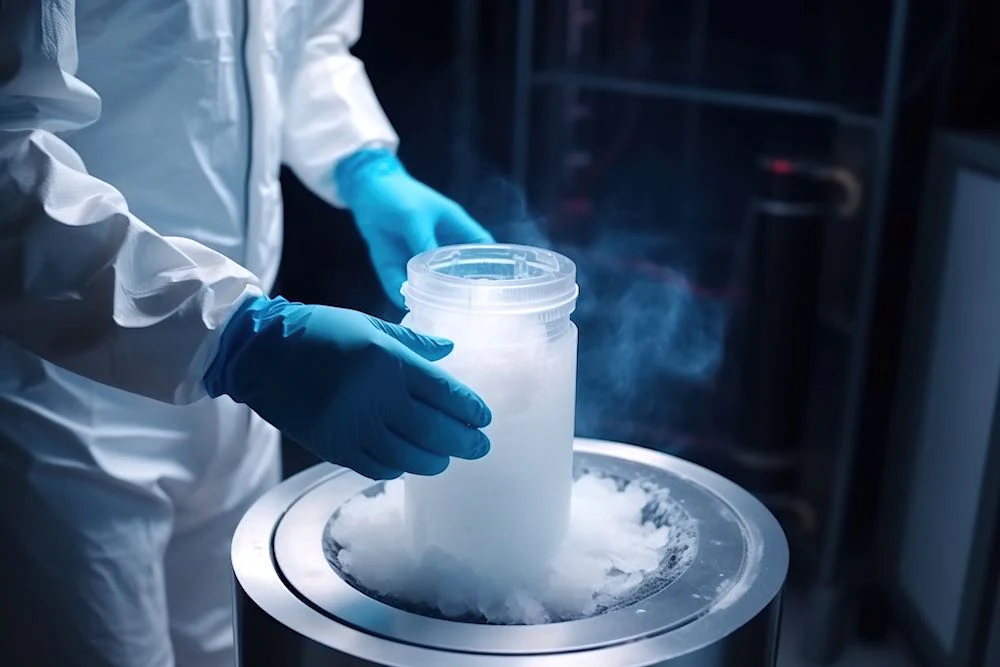
Cryopreservation is not simply the act of exposing biological material to extreme cold. Its foundational principle is the near-complete suspension of cellular metabolic and biochemical activity. At –196°C—the boiling point of liquid nitrogen—intracellular and extracellular molecular movement approaches a standstill. Under these conditions, the biological aging processes that would otherwise degrade cell function are effectively halted.

However, achieving this state without inducing cellular damage requires precise technical methodology. Water, which constitutes a significant proportion of cellular mass, presents the primary challenge: uncontrolled freezing causes the formation of ice crystals that can physically rupture cell membranes and destroy organelle integrity, rendering the cells non-viable upon thawing.
Programmed Cooling and Cryoprotectant Strategies
Modern cell biobanks address this challenge through two complementary approaches: programmed gradient cooling and the use of cryoprotectant agents.
Programmed cooling involves a controlled, stepwise reduction in temperature—typically from approximately 4°C to –80°C—before transfer to liquid nitrogen storage at –196°C. This gradual process reduces the rate at which ice crystals form, minimizing mechanical damage to cellular structures. Simultaneously, cryoprotectant compounds are introduced to partially displace intracellular water, further inhibiting ice crystal formation and stabilizing the lipid bilayer and protein structures within the cell.
Together, these approaches allow biological material to enter a preserved state with its structural and functional integrity largely intact.
Illustrative Evidence from Reproductive Biology Research
Relevant supporting data comes from a landmark study in reproductive biology. In March 2019, researchers at the University of Sydney reported the successful use of ovine semen that had been stored in liquid nitrogen at –196°C since 1968—a total of 50 years. Upon thawing, microscopic assessment confirmed preserved motility, viability, and DNA integrity. The semen was subsequently used in artificial insemination of 56 ewes, resulting in 34 successful pregnancies and a conception rate of approximately 61%.
While this example involves reproductive cells rather than stem cells, it provides compelling evidence that appropriately managed cryopreservation protocols are capable of maintaining biological viability over multi-decade timescales.
Clinical Research Evidence: Cryopreserved Stem Cells in Osteoarthritis Treatment
Why Knee Osteoarthritis Serves as a Useful Clinical Model
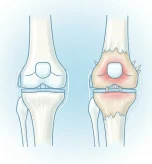
Knee osteoarthritis is a prevalent degenerative joint condition characterized by cartilage breakdown, synovial inflammation, pain, stiffness, and progressive functional impairment. Conventional treatment options—including analgesics, corticosteroids, and physiotherapy—are largely palliative and do not address the underlying degenerative processes. This therapeutic gap has generated substantial research interest in mesenchymal stem cells, which possess documented anti-inflammatory and tissue-repair properties.
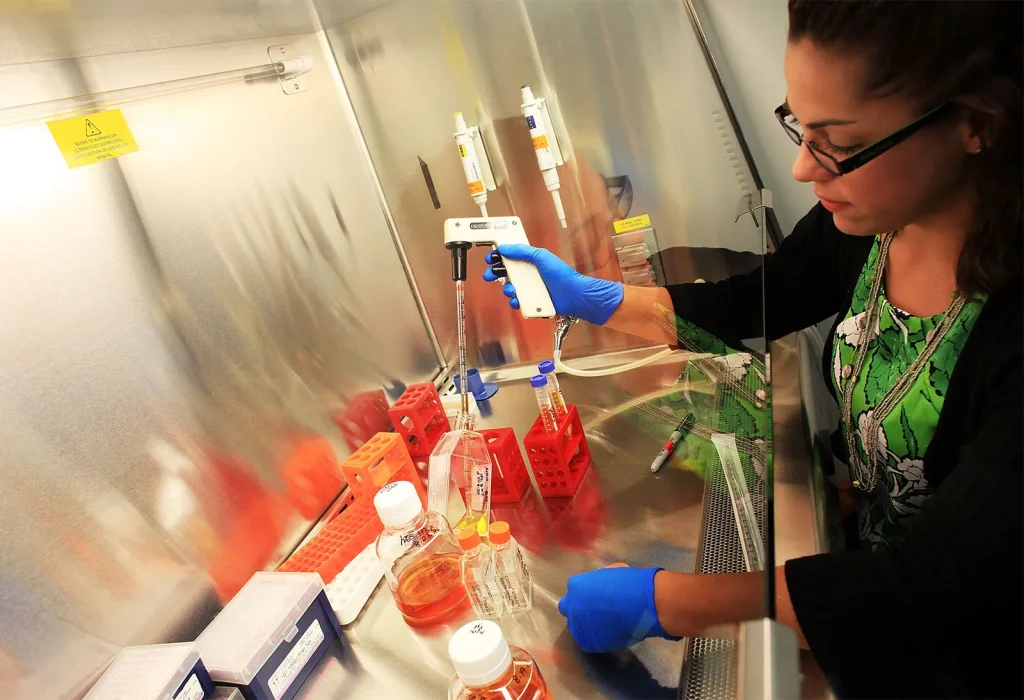
Critically, the majority of mesenchymal stem cell preparations used in clinical trials involve cryopreserved and subsequently thawed material, making osteoarthritis research a directly relevant context for evaluating post-thaw stem cell functionality.
2025 Randomized Controlled Trial: Umbilical Cord–Derived Mesenchymal Stem Cells
A randomized controlled trial published in the peer-reviewed journal Cytotherapy in 2025 evaluated the efficacy of a single intra-articular injection of cryopreserved umbilical cord–derived mesenchymal stem cells in patients with knee osteoarthritis. The study compared outcomes in patients receiving stem cell therapy against a control group receiving conventional corticosteroid injections.
The trial reported statistically significant improvements in joint pain, stiffness, and physical function scores in the stem cell group relative to controls following treatment. Notably, these improvements were sustained at the one-year follow-up assessment, with patients also demonstrating stable gains in emotional wellbeing and social functioning—domains often affected by chronic musculoskeletal conditions.
From a safety perspective, no serious adverse events were recorded during the study period. The primary adverse reaction observed was transient mild joint discomfort at the injection site following administration, which resolved without intervention. This profile supports the tolerability of cryopreserved umbilical cord–derived stem cells when prepared and administered under standardized conditions.
2025 Study: Cryopreserved Placental Mesenchymal Stem Cells with Multiple Injections
A separate 2025 clinical study investigated the therapeutic potential of repeated intra-articular injections using cryopreserved placental mesenchymal stem cells. This trial enrolled 26 patients diagnosed with stage II to III knee osteoarthritis and administered three injections at four-week intervals.
Participants exhibited significant reductions in joint pain, stiffness, and functional limitation following the treatment course. These improvements continued to deepen throughout the one-year follow-up period. Biomarker analysis indicated a concurrent reduction in circulating levels of pro-inflammatory cytokines, providing biochemical corroboration for the observed clinical improvements.
This study is notable in that it confirms the capacity of cryopreserved stem cells to retain anti-inflammatory and regenerative properties not only after initial thawing, but across multiple preparation and administration cycles.
2025 Trial: Cryopreserved Bone Marrow–Derived Mesenchymal Stem Cells
Complementing the above findings, a 2025 randomized controlled trial examined outcomes following a single injection of cryopreserved bone marrow–derived mesenchymal stem cells. Patients reported meaningful improvements in pain scores and quality-of-life indices at the nine-month follow-up. Additionally, magnetic resonance imaging (MRI) assessment suggested a potential disease-modifying effect, with findings indicating possible slowing of articular cartilage deterioration, though further large-scale studies will be needed to confirm this observation.
Across all three sources of cryopreserved mesenchymal stem cells—umbilical cord, placenta, and bone marrow—the available clinical evidence consistently supports the retention of therapeutic function following cryostorage.
Technical and Regulatory Standards That Determine Preservation Quality
The Role of GMP-Compliant Manufacturing in Cell Quality
The clinical outcomes described above were achieved using stem cell preparations produced and stored within environments complying with Good Manufacturing Practice (GMP) standards. GMP frameworks, recognized globally by regulatory authorities including the U.S. Food and Drug Administration (FDA), the European Medicines Agency (EMA), and national health ministries across Asia-Pacific, establish mandatory controls over raw material sourcing, manufacturing processes, environmental conditions, quality testing, and documentation.

For cryopreserved cell therapies, GMP compliance ensures that each stage of the production chain—from donor screening and cell isolation to cryoprotectant formulation, freezing protocol execution, and storage monitoring—is conducted under conditions designed to minimize variability and preserve cellular integrity.
The Thawing Process: A Critical Final Stage
Preserving cell quality through the thawing process is as technically demanding as the initial freezing. Rapid and uniform rewarming is required to minimize the period during which cells are exposed to temperatures near the freezing point—a phase during which residual ice crystal formation or osmotic stress can cause secondary damage. The composition and temperature of the resuspension medium, as well as the technical competence of the operator, are significant variables at this stage.
Standardized thawing protocols developed and validated as part of GMP manufacturing processes are designed to maximize post-thaw viability and ensure that the functional properties of the cells are maintained through to administration.
Quality Management, Traceability, and Regulatory Oversight
Responsible cell biobanks operate within comprehensive quality management systems that extend beyond the manufacturing process. Internationally recognized standards—such as the AABB standards for cellular therapies, ISO frameworks applicable to biological banks, and national-level regulatory guidance in various jurisdictions—provide frameworks for:
- Full chain-of-custody traceability from initial cell collection through storage and distribution
- Routine and periodic quality testing of stored cell batches, including viability, purity, sterility, and functional potency assays
- Environmental monitoring of storage facilities to confirm consistent maintenance of target temperatures
- Documented procedures for handling deviations or quality failures
Institutions operating under these frameworks provide a higher level of assurance that stored stem cells will meet defined specifications when required for clinical use.
Broader Implications: Cryopreservation in the Context of Future Cell-Based Therapies
The convergence of improved cryopreservation technology, GMP-compliant biobanking infrastructure, and an expanding body of clinical evidence has strengthened the scientific rationale for long-term cellular storage as a component of forward-looking healthcare strategies.
Mesenchymal stem cells are being investigated across a range of degenerative, inflammatory, and immune-mediated conditions beyond osteoarthritis. Cryopreserved allogeneic cell banks, in particular, offer potential logistical advantages for off-the-shelf therapeutic applications in clinical settings where time-sensitive treatment initiation is important.
At the same time, it is important to maintain scientific rigor in evaluating these applications. The clinical studies reviewed here represent meaningful contributions to the evidence base, but the field continues to require well-designed, adequately powered, long-term trials to more fully characterize therapeutic efficacy, optimal dosing, and patient selection criteria across different conditions and stem cell sources.
Conclusion
Based on the current body of scientific literature and clinical research, well-managed cryopreservation protocols are capable of maintaining the viability and functional properties of mesenchymal stem cells over extended storage periods. The 2025 clinical trials reviewed in this article—encompassing umbilical cord, placental, and bone marrow sources—provide consistent evidence that cryopreserved stem cells can retain therapeutic activity following standardized thawing, with acceptable safety profiles reported across studies.
The realization of this potential, however, is contingent on adherence to rigorous technical standards throughout the cryopreservation cycle. GMP-compliant manufacturing, validated freezing and thawing protocols, continuous quality monitoring, and regulatory oversight collectively determine whether preserved biological material meets the standards required for clinical application.
As cell-based therapies continue to advance, cryopreservation technology will remain a foundational enabling element—one that bridges the moment of cell collection with the point of clinical need, preserving biological function across the interval between them.