
Aging Frailty Stem Cell Therapy | Can Declining Strength and Energy Actually Be Recovered?
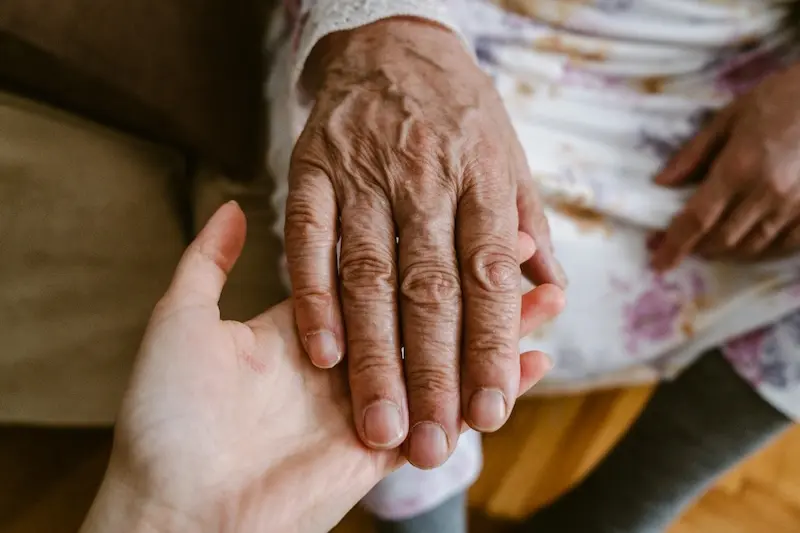
You used to carry the groceries up the stairs in one trip. Now you take two, and you pause at the landing.
You sleep a full eight hours and wake up still tired. The walk you have done every morning for twenty years feels harder this year than last. Your grip is not what it was. When you sit on the floor to play with your grandchildren, getting back up has become something you plan for.
None of this is laziness. None of it is simply attitude. What you are experiencing has a clinical name — aging frailty — and it involves specific, measurable changes happening inside your body at the cellular level.
Frailty is not the same as normal aging, and it is not inevitable. It is a distinct syndrome defined by a cluster of signs: unintended weight loss, muscle weakness, persistent exhaustion, slow walking speed, and low physical activity. According to large-scale epidemiological data, an estimated 50 million people worldwide currently meet the clinical criteria for frailty, with a further 100 to 200 million in a “pre-frail” state where decline is accelerating but has not yet reached its most disabling stage.
For most people with frailty, the medical conversation goes the same way: exercise more, eat more protein, take vitamin D, see a physiotherapist. These are all genuinely useful recommendations, and we will not dismiss them. But they do not address the biological processes that are actually driving the decline — chronic low-grade inflammation, exhausted muscle stem cells, failing mitochondria, and immune dysregulation that worsens with every passing year.
In recent years, a different type of intervention has been tested in clinical trials: mesenchymal stem cell (MSC) therapy. Not as a cure for aging — nothing is — but as a potential biological tool to address some of the underlying mechanisms that make frailty so resistant to conventional approaches.
This article presents what the peer-reviewed data actually shows, with specific numbers from published trials. It also explains who is a realistic candidate, where the evidence has genuine limits, and what the process looks like at our clinic in Malaysia, where we have been working in regenerative medicine for over seven years with more than 200 patients treated.
We will be direct about both the potential and the limitations. That is the only honest way to present this.
Table Of Contents
- Why Aging Frailty Cannot Be Reversed by Rest and Willpower Alone
- What Conventional Frailty Management Gets Right — and Where It Stops Short
- Three Biological Mechanisms Behind Stem Cell Therapy for Aging Frailty
- What the Clinical Trial Data Shows for MSC Therapy and Frailty-Related Outcomes
- Who Is — and Is Not — a Suitable Candidate for Stem Cell Therapy for Aging Frailty
- A Patient's Account: What Recovery from Aging Frailty Looked Like Over Six Months
- Honest Risks and Limitations of Stem Cell Therapy for Aging Frailty
- FAQ About Aging Frailty Stem Cell Therapy
- If You Are Looking for More Than a Plateau
- References
Why Aging Frailty Cannot Be Reversed by Rest and Willpower Alone
The Biology Behind Frailty: It Starts Long Before the Symptoms
Most people think of frailty as what happens at the end of a long life — something that simply arrives because the body has worn out. The biology tells a more specific and more actionable story.
Frailty begins at the cellular level, often years before a person notices the physical symptoms. The central mechanisms involve three interconnected processes that reinforce each other in a way that becomes progressively harder to interrupt.
The first is chronic low-grade inflammation, sometimes called “inflammaging” by researchers in the field. In a healthy immune system, inflammation is a short-term response to injury or infection — it activates, does its job, and switches off. In older adults with frailty, this off-switch becomes less reliable. Low levels of inflammatory signals — proteins called cytokines, including TNF-alpha, interleukin-6, and interleukin-1 — circulate persistently in the bloodstream and tissues. These signals do not cause the dramatic symptoms of acute inflammation like swelling and fever. Instead, they act as a slow drain on the body’s energy and repair resources, interfering with muscle protein synthesis, disrupting sleep quality, impairing cognitive clarity, and — critically — damaging the very cells responsible for tissue repair and renewal.
How Muscle Stem Cell Exhaustion Drives the Decline in Aging Frailty
The second mechanism is the progressive exhaustion of muscle stem cells, known as satellite cells. Satellite cells are responsible for repairing and regenerating skeletal muscle after exercise or minor damage. In younger adults, they activate readily after exertion, divide, and repair the tiny muscle fiber damage that exercise causes — which is how training builds strength.
In adults with aging frailty, satellite cells become increasingly dormant and unresponsive. The number of satellite cells declines with age, and those that remain show reduced proliferative capacity — they do not multiply and activate as effectively as they once did. This is not because the muscles are being damaged more severely. It is because the repair machinery has degraded. The result is a progressive loss of muscle mass and strength — a condition known as sarcopenia — that does not respond to exercise the way it did at fifty, because the cellular infrastructure needed to translate exercise into muscle repair is no longer functioning normally.
Mitochondrial Dysfunction and the Energy Deficit in Aging Frailty
The third mechanism is mitochondrial dysfunction. Mitochondria are the energy-producing structures inside every cell — the biological equivalent of a power plant. With age and in frailty, mitochondria in muscle cells accumulate damage, produce energy less efficiently, and release a greater proportion of harmful oxidative byproducts. The result is the persistent, non-restorative fatigue that people with aging frailty describe so consistently — a tiredness that does not improve with sleep because the problem is not about sleep, it is about cellular energy production.
These three mechanisms — chronic inflammation, muscle stem cell exhaustion, and mitochondrial dysfunction — interact with each other. Inflammaging accelerates mitochondrial damage. Mitochondrial dysfunction impairs the function of satellite cells. Exhausted satellite cells fail to repair muscle, leading to further weakness, which reduces physical activity, which further accelerates the decline.
Understanding this cycle is essential to understanding why lifestyle interventions have real but ultimately limited ability to reverse frailty — and what a biological intervention would need to target.
What Conventional Frailty Management Gets Right — and Where It Stops Short
The Real Value of Exercise and Nutrition for Aging Frailty
Exercise is the best-studied intervention for aging frailty, and its benefits are genuine and well-documented. Resistance training — the kind that involves lifting weights or working against resistance bands — can meaningfully slow the progression of sarcopenia and improve functional measures like gait speed, grip strength, and ability to perform daily tasks.
Nutritional support, particularly adequate dietary protein and vitamin D, is similarly supported by evidence. Protein intake above the levels typically recommended for younger adults appears to help preserve muscle mass in frail older adults, particularly when combined with exercise.
Physical therapy and occupational therapy programs reduce fall risk, which is a major source of morbidity and mortality for people with frailty. Medication review — identifying and reducing drugs that cause dizziness, sedation, or muscle weakness as side effects — can remove contributing factors that are sometimes overlooked.
These are not placebo interventions. For many people in the early stages of frailty, they provide meaningful stabilization and sometimes modest improvement.
Where the Conventional Approach Runs Out
The limitation is biological, not motivational. Exercise works by stimulating the satellite cells and mitochondria to repair and adapt. When those cellular systems are significantly compromised, the stimulus of exercise produces less response. A 75-year-old with advanced sarcopenia and chronic low-grade inflammation will not build muscle from the same resistance training protocol that builds muscle in a healthy 40-year-old — not because they are not trying, but because the cellular machinery that translates effort into adaptation has degraded.
This is not an argument against exercise for frail older adults — it is an argument that exercise alone, even when done consistently and correctly, cannot fully reverse frailty once the underlying biology has declined past a certain threshold. The analogy is trying to improve the performance of an engine by putting in better fuel when the problem is that the engine components themselves are worn. Better fuel helps, but it does not rebuild the engine.
There is also the challenge of medication. Many frail older adults carry multiple diagnoses and take multiple medications — a pattern called polypharmacy. Adding more pharmaceutical interventions to a system already under significant pharmacological burden is often poorly tolerated, and the side effects of medications used in adjacent conditions like heart failure, rheumatoid arthritis, or osteoporosis can themselves contribute to the fatigue and weakness that characterize frailty. The question of whether there is a way to address the biology of frailty without adding further pharmaceutical load is one we hear often from the patients who reach our clinic.
Three Biological Mechanisms Behind Stem Cell Therapy for Aging Frailty
Mechanism 1: Reducing the Chronic Inflammation That Drives Aging Frailty
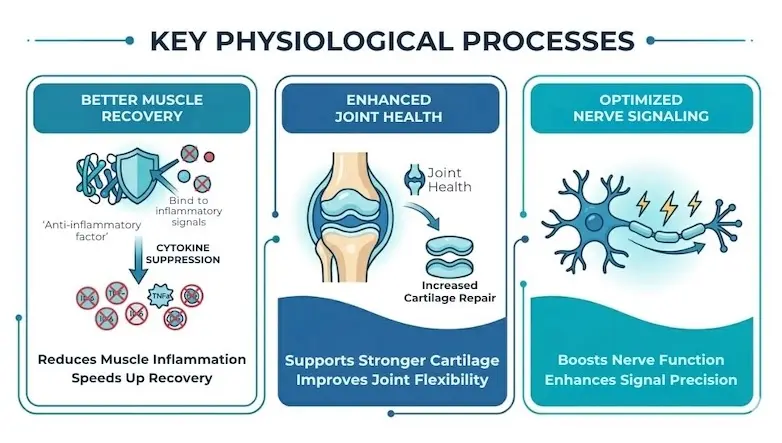
Mesenchymal stem cells (MSCs) — the type of stem cell used in frailty trials and in our program — are not simply replacement parts. They do not become new muscle or repair tissue directly. What they do is act as biological communicators, releasing a range of signaling molecules that alter the environment of the tissues they enter.
In the context of aging frailty, the most immediately relevant effect is on inflammaging. MSCs secrete molecules that suppress the activity of the immune cells responsible for producing the chronic low-grade inflammatory signals — TNF-alpha, interleukin-6, and C-reactive protein — that are consistently elevated in frail older adults. They also promote the expansion of regulatory T-cells (a type of immune cell whose function is essentially to tell the rest of the immune system to stand down), creating a shift in the immune environment from a state of low-level persistent attack toward one of maintenance and repair.
This is a similar mechanism to what MSC therapy aims to do in inflammatory conditions like rheumatoid arthritis, where immune dysregulation drives progressive joint damage. In frailty, the target is systemic rather than localized — the goal is to reduce the whole-body inflammatory tone that is exhausting the body’s repair resources.
Mechanism 2: Supporting Muscle Satellite Cell Function in Aging Frailty
MSCs secrete growth factors and signaling molecules that appear to interact with the satellite cell population in skeletal muscle. In laboratory models and in some clinical observations, MSC-derived signals have been associated with improved satellite cell activation — a shift from the dormant, unresponsive state seen in frailty toward a more active repair mode.
It is important to be precise here: MSCs do not become new satellite cells, and they do not directly regenerate lost muscle mass. What they may do is create a more favorable biochemical environment in which the satellite cells that remain function more effectively. Think of it as upgrading the working conditions of the repair crew rather than sending in new workers. The distinction matters for setting realistic expectations — patients should not expect to regain muscle mass lost over decades in a matter of months.
Mechanism 3: Supporting Mitochondrial Function and Cellular Energy in Aging Frailty
Perhaps the most intriguing mechanistic finding from laboratory research is the evidence that MSCs can support mitochondrial function in neighboring cells. Two pathways have been identified: MSC-derived exosomes (tiny communication packages released by cells) appear to carry mitochondrial components and signaling molecules that help recipient cells repair their own mitochondria. In some experimental contexts, direct mitochondrial transfer from MSCs to damaged cells has also been observed.
The clinical implication — if borne out in human trials — would be partial restoration of cellular energy production, addressing one of the core complaints of aging frailty patients: the persistent fatigue that does not respond to rest. The human evidence for this specific mechanism remains preliminary, and we will note that clearly in the clinical data section.
What the Clinical Trial Data Shows for MSC Therapy and Frailty-Related Outcomes
The CRATUS Trial: Key Evidence for Allogeneic MSC Therapy in Aging Frailty
The most significant published clinical trial directly addressing stem cell therapy in aging frailty is the CRATUS program conducted at the University of Miami Miller School of Medicine, with lead findings published in Gerontology in 2017 by Tompkins and colleagues.
The trial enrolled frail older adults meeting the Fried Frailty Criteria — the standard clinical definition of frailty based on unintentional weight loss, exhaustion, weakness, slow gait, and low physical activity — and administered a single intravenous infusion of allogeneic bone marrow-derived MSCs at varying doses, or a placebo.
The findings from the published results are worth presenting precisely.
At six months, patients who received MSC infusions showed statistically significant improvements in physical performance tests compared to those who received placebo. The six-minute walk test — a standard measure of functional exercise capacity widely used in frailty research — showed meaningful distance improvements in treated patients, with the placebo group showing no equivalent change.
Inflammatory markers told a parallel story. TNF-alpha — one of the primary cytokines associated with inflammaging and frailty progression — showed significant reductions from baseline in treated patients, with the greatest reductions in the groups receiving higher doses. This is a direct biological signal that the treatment was affecting the inflammatory environment, not simply producing a symptomatic placebo effect.
Quality of life scores and self-reported physical function also improved in treated patients. No serious adverse events were attributed to the stem cell infusions across any dose group.
A companion phase II study, published by Golpanian and colleagues in the Journals of Gerontology in 2017, enrolled 30 frail older adults in a randomized, blinded, dose-escalation design. It confirmed the safety profile and reported improvements in six-minute walk test distance and in maximal oxygen consumption — a measure of cardiorespiratory fitness — at 12 months in treated patients compared to placebo. The treated group walked an average of approximately 60 meters further in the six-minute walk test at 12 months compared to baseline — a change that translates clinically into meaningfully improved daily function.
What Additional Research on MSCs and Sarcopenia Shows
Beyond the frailty-specific trials, a broader body of research on MSC effects in sarcopenia — muscle mass loss — supports the biological plausibility of the clinical findings.
A 2021 preclinical study published in Stem Cell Research & Therapy demonstrated that systemic MSC administration in aged animal models preserved muscle mass and improved muscle fiber composition compared to untreated controls, with the effect associated with reduced local muscle inflammation and improved satellite cell activity.
A systematic review published in Frontiers in Cell and Developmental Biology examined MSC therapy across aging-related conditions and found consistent evidence of anti-inflammatory effects measured by circulating cytokine reduction, with functional outcomes (exercise capacity, mobility scores) showing improvement in the majority of trials reviewed.
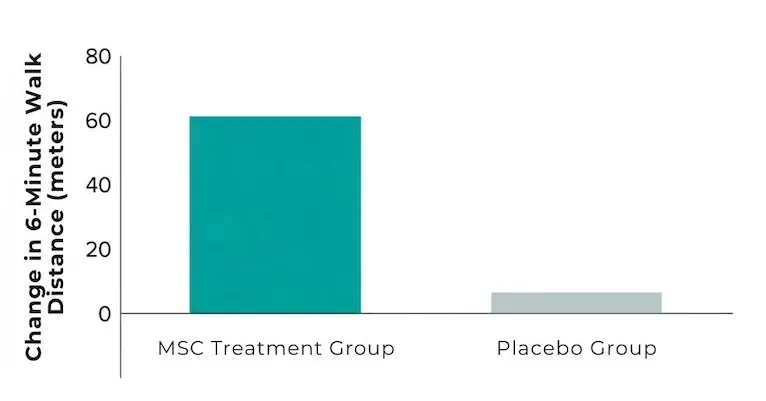
Source: Golpanian et al., Journals of Gerontology, 2017.
What the Numbers Mean in Realistic Terms for Frailty Patients
A 60-meter improvement in the six-minute walk test is a number that needs translation into daily life.
For a frail older adult who can currently walk approximately 300 meters in six minutes, a 60-meter improvement represents a roughly 20% increase in functional walking capacity. That is the difference between reaching the end of your street and needing to turn back, and walking the full block and returning. It is the difference between managing a short shopping trip independently and needing assistance. For people whose world has been contracting slowly for years, these distances are not trivial.
However — and this is where we must be direct — the data also shows that not all patients respond equivalently. Some showed more pronounced improvements; others showed modest or no change. The trials do not yet give us reliable predictors for who will fall into which category. A meaningful minority of patients treated with MSCs in frailty trials did not achieve statistically significant individual improvements. We believe patients considering this treatment deserve to know that number, not only the average.
Who Is — and Is Not — a Suitable Candidate for Stem Cell Therapy for Aging Frailty
Patient Profiles That Tend to Show Response in Aging Frailty Trials
Based on published trial data and our clinical experience over seven years in Malaysia, certain characteristics appear consistently in patients who show the clearest benefit from MSC therapy for aging frailty.
Patients who meet the Fried Frailty Criteria — particularly those with measurable elevations in inflammatory markers such as TNF-alpha, interleukin-6, or C-reactive protein alongside physical frailty signs — appear to respond best. This makes biological sense: if inflammaging is a central driver of the patient’s frailty, and the mechanism of MSC therapy is partly anti-inflammatory, the treatment is more directly addressing the underlying problem.
Patients in the mild-to-moderate frailty range — those who are frail enough that the condition significantly affects daily life, but who retain sufficient functional reserve and muscle mass for improvement to be biologically meaningful — show better results than those in the most advanced stages of physical decline. The six-minute walk test distance at baseline has emerged as one practical marker: patients who can walk 200 meters or more have more functional capacity to build on than those who cannot walk a corridor without assistance.
Patients who have been consistent with exercise and nutritional support but have plateaued — who are, in other words, doing everything right by conventional standards and continuing to decline regardless — represent a profile where the biological argument for MSC therapy is most compelling. The plateau itself may indicate that lifestyle interventions have hit the ceiling of what they can achieve given the current cellular environment.
When Stem Cell Therapy for Aging Frailty Is Unlikely to Be Appropriate
We are direct with patients who are unlikely to benefit, because proceeding in those cases serves no one.
Patients in the most advanced stages of frailty — those who are bedbound or who require full assistance with activities of daily living — are unlikely to see meaningful functional improvement from MSC therapy. At that stage, the biological infrastructure needed for MSCs to produce functional gains has been too significantly compromised. The most appropriate care focus at that point is comfort, quality of life, and palliative support rather than biological intervention.
Active cancer, uncontrolled systemic infection, or severe immunocompromise are contraindications. MSCs modulate immune function, and in the context of active malignancy or infection, this modulation could have unpredictable and potentially harmful effects.
Patients whose frailty is primarily secondary to another treatable condition — severe depression, undiagnosed hypothyroidism, significant anemia, or medication side effects — should have those conditions addressed first. MSC therapy does not reverse the effects of untreated hypothyroidism; treating the thyroid condition may achieve more than any regenerative intervention would.
Patients with realistic expectations and a willingness to maintain exercise and nutritional habits alongside the treatment tend to do better than those who view it as a passive intervention requiring no behavioral commitment. We discuss this explicitly in every pre-treatment consultation.
A Patient’s Account: What Recovery from Aging Frailty Looked Like Over Six Months
A woman in her early seventies. She had been managing frailty — diagnosed formally by her physician using the Fried Criteria — for approximately three years. Her six-minute walk test at initial assessment covered 280 meters. Her grip strength was below the threshold for her age and sex. TNF-alpha and C-reactive protein were both elevated.
She had been consistent with her physiotherapy and had not missed a resistance training session in over a year. Her protein intake was well above the recommended minimum. Despite this, her physical function had not improved meaningfully in twelve months, and she described a quality of exhaustion that she could not account for with activity or sleep patterns.
She pursued allogeneic umbilical cord-derived MSC therapy at our clinic in Malaysia in 2024. Pre-treatment assessment confirmed active inflammaging as a likely driver of her plateau, and the treatment plan was designed accordingly.
The first six weeks produced no noticeable change — a period she described as familiar, since she had not felt any different for over a year anyway. By week ten, she noted that her post-exercise fatigue was shorter in duration. By month three, her morning energy levels were, in her words, “the first thing I have noticed changing in three years.” At the six-month reassessment, her six-minute walk test covered 335 meters — an improvement of 55 meters from baseline. Grip strength had improved modestly but measurably. Inflammatory markers showed reductions: TNF-alpha had decreased by approximately 30% from its pre-treatment level.
She continues her exercise and nutritional program. The stem cell treatment has not been declared a success in permanent terms — she will have follow-up assessments at twelve and eighteen months. But the plateau that had persisted through a year of consistent conventional effort appears to have shifted.
Her own framing: “I did not expect to feel young again. I just wanted to stop getting worse. That seems to be what has happened so far.”
※ This is an anonymized account based on clinical experience. Individual results vary and cannot be guaranteed for any other patient.
Why Allogeneic Umbilical Cord-Derived MSCs Are Used for Aging Frailty in Malaysia
The choice of cell source matters, and patients deserve a clear explanation of why.
In Japan, the current regulatory framework for regenerative medicine commonly uses autologous stem cell therapy — meaning cells are taken from the patient’s own bone marrow or fat tissue, processed, and reinjected. The absence of immune rejection risk is the primary advantage.
However, for aging frailty specifically, the autologous approach carries a fundamental limitation. The cells available from a 70-year-old patient with frailty are themselves products of an aged, inflammaged biological system. Research published comparing autologous MSCs from frail older adults to MSCs from young healthy donors has consistently shown that cells from frail patients have reduced proliferative capacity, lower secretion of beneficial growth factors, and diminished immunomodulatory activity. In effect, you would be treating the inflammatory consequences of an aging immune system with cells from that same aging immune system.
The allogeneic umbilical cord-derived MSCs used in Malaysia are sourced from the Wharton’s jelly layer of donated umbilical cords collected at the time of healthy deliveries, with full donor consent. These cells are biologically young, highly active, and carry a particularly potent immunomodulatory signal. Because they express low levels of the surface proteins that typically trigger immune rejection, serious rejection reactions are rare despite coming from a different individual. The clinical trial data on frailty — including the CRATUS program — used allogeneic cells, meaning the evidence base directly supports this approach.
Honest Risks and Limitations of Stem Cell Therapy for Aging Frailty
Known Side Effects and Safety Profile in Frailty MSC Trials
The safety profile of intravenous allogeneic MSC infusion, across published frailty trials and our own clinical experience, has been generally favorable. This is not a blanket reassurance; it reflects what the accumulated data shows.
The most commonly reported effects are mild and transient: low-grade fever in the 24 to 48 hours following infusion, fatigue for one to three days, and occasional headache or mild muscle ache. These effects are consistent with the immune system’s initial recognition of donor cells and typically resolve without specific medical intervention.
Across the CRATUS trial and related studies, no serious adverse events were attributed to the MSC infusions at any dose level. No tumor formation, no clinically significant immune rejection, and no serious infections directly attributed to the treatment were reported.
Longer-term safety data beyond two years for frailty-specific trials remains limited, because the field is young at the clinical scale. We consider this an honest limitation, and we disclose it clearly to every patient before treatment.
What Stem Cell Therapy Cannot Do for Aging Frailty
We want to be as specific about limits as we are about potential.
Stem cell therapy cannot reverse decades of frailty progression in a single infusion. The trajectory of recovery — where it occurs — is gradual. Patients who enter the process expecting to feel transformed within the first weeks are setting themselves up for discouragement. The biological processes set in motion by MSC signaling take months to produce observable changes.
It cannot replace the value of consistent exercise and adequate nutrition. In the frailty patients who have done best in both our clinic and in published trials, MSC therapy appears to function as a biological amplifier — creating conditions in which the conventional interventions work better — not as a substitute for them. Patients who stop exercising because they have received stem cell treatment are likely to see less benefit, not more.
It cannot address frailty that is primarily driven by a specific undertreated medical condition. Uncontrolled heart failure, untreated sleep apnea, advanced kidney disease — these contribute directly to the fatigue and weakness of frailty, and MSC therapy does not correct them.
And it cannot guarantee improvement for any individual patient. Based on the available published data, a significant proportion of treated patients — estimated at 20 to 30 percent across reported trials — do not achieve clinically meaningful improvement in primary outcome measures. We do not have reliable methods to predict with certainty which patients will fall into this group, though the pre-treatment assessment provides useful clinical context. Every patient who considers this treatment deserves to know this number.
FAQ About Aging Frailty Stem Cell Therapy
The primary difference is the source of the cells. Japan’s regulatory framework for regenerative medicine typically uses autologous cells — taken from the patient’s own body. The treatment available in Malaysia uses allogeneic cells from donated umbilical cord tissue. For aging frailty specifically, the biological argument for allogeneic cells is stronger, because the patient’s own cells are themselves affected by the aging and inflammatory processes being treated. The clinical trial data on frailty — including the published CRATUS program — is based on allogeneic cells, meaning the evidence base directly supports the approach used in Malaysia.
Based on published trials and clinical experience, the earliest noticeable changes typically emerge between 6 and 12 weeks after treatment. Changes in fatigue quality and morning energy levels are often the first to be reported. Measurable improvements in physical function tests and inflammatory blood markers tend to appear at the three- to six-month point. The most robust functional improvements in the published frailty trials were measured at twelve months. Patients who see no change at all by six months have generally not gone on to show significant improvement at later time points.
No — and this is an important point. The most plausible model, based on the available data, is that MSC therapy improves the cellular environment in which exercise produces its effects. Patients who maintain consistent physical activity after treatment appear to do better than those who reduce or stop it. This treatment is designed to complement, not replace, established frailty management.
Frailty frequently coexists with other conditions. Heart failure in particular shares several mechanisms with frailty — chronic inflammation, reduced physical capacity, and progressive functional decline — and the two conditions often reinforce each other. The appropriateness of MSC therapy in the context of a coexisting condition depends on the specific diagnosis, its severity, and current medication regimen. We assess this individually in the pre-treatment consultation. Patients with coexisting conditions are not automatically excluded, but the evaluation is more complex and requires careful review of all current medical management before any treatment proceeds.
The published frailty trials — including CRATUS — used single infusions as the primary intervention. Based on current evidence, we begin with a single treatment and evaluate response at six months before discussing whether a further infusion would be appropriate. We do not currently recommend repeat infusions without an objective assessment of how the first has performed.
If You Are Looking for More Than a Plateau
You have done the right things. You have kept moving, eaten well, followed your doctor’s guidance. And something still is not working the way it should.
We offer free online consultations for exactly this kind of situation — not to immediately recommend a treatment, but to look carefully at your specific case and tell you honestly whether we think stem cell therapy has a reasonable clinical rationale for you. If it does not, we will say so. If it might, we will explain why and what the realistic process and expectations would look like. There is nothing to commit to in that initial conversation other than the conversation itself.
References
- Tompkins BA, DiFede DL, Khan A, et al. “Allogeneic mesenchymal stem cells ameliorate aging frailty: a phase II randomized, double-blind, placebo-controlled clinical trial.” Journals of Gerontology: Biological Sciences. 2017;72(11):1513–1522. https://doi.org/10.1093/gerona/glx137
- Golpanian S, DiFede DL, Khan A, et al. “Allogeneic human mesenchymal stem cell infusions for aging frailty.” Journals of Gerontology: Biological Sciences. 2017;72(11):1505–1512. https://doi.org/10.1093/gerona/glw217
- Fried LP, Tangen CM, Walston J, et al. “Frailty in older adults: evidence for a phenotype.” Journals of Gerontology: Medical Sciences. 2001;56(3):M146–M156. https://doi.org/10.1093/gerona/56.3.M146
- Ferrucci L, Fabbri E. “Inflammageing: chronic inflammation in ageing, cardiovascular disease, and frailty.” Nature Reviews Cardiology. 2018;15(9):505–522. https://doi.org/10.1038/s41569-018-0064-2
- Clegg A, Young J, Iliffe S, Rikkert MO, Rockwood K. “Frailty in elderly people.” The Lancet. 2013;381(9868):752–762. https://doi.org/10.1016/S0140-6736(12)62167-9
- Cruz-Jentoft AJ, Bahat G, Bauer J, et al. “Sarcopenia: revised European consensus on definition and diagnosis.” Age and Ageing. 2019;48(1):16–31. https://doi.org/10.1093/ageing/afy169
- Sun Y, Wan B, Wang R, et al. “Mesenchymal stem cell therapy reverses age-related impairment of muscle regeneration and ameliorates sarcopenia in aging muscle.” Stem Cell Research & Therapy. 2021;12(1):419. https://doi.org/10.1186/s13287-021-02496-2
- Dimmeler S, Leri A. “Aging and disease as modifiers of efficacy of cell therapy.” Circulation Research. 2008;102(11):1319–1330. https://doi.org/10.1161/CIRCRESAHA.108.175174