NK Cell Immunotherapy Clinical Data: What the Latest Research Tells Us About Stem Cells and Cancer Treatment
Overview: NK Cells, Stem Cells, and the Evolution of Immune Cell Therapy
Natural Killer (NK) cells are a foundational component of the human innate immune system. Comprising approximately 5% to 15% of circulating lymphocytes, these cells are capable of identifying and destroying abnormal cells — including tumor cells and virally infected cells — without requiring prior sensitization or antigen presentation. Their function is distinct from, yet complementary to, the adaptive immune response mediated by T cells and B cells.
NK cell therapy represents a rapidly developing branch of cellular immunotherapy, one that shares conceptual and biological foundations with broader stem cell medicine. Both fields involve the ex vivo manipulation, expansion, and clinical application of human cells to achieve therapeutic outcomes. The ongoing convergence of NK cell research with advances in stem cells — particularly induced pluripotent stem cell (iPSC) technology — is opening new pathways for producing standardized, off-the-shelf immune cell products at commercial scale.
In recent years, a growing body of international clinical research has begun to characterize NK cell therapy as a viable treatment option for certain cancers, particularly those resistant to conventional chemotherapy regimens. Multiple peer-reviewed publications have reported meaningful clinical endpoints from early-phase trials, drawing significant attention from the oncology and cell therapy research communities.
Among the products under active clinical evaluation, the allogeneic NK cell therapy SMT-NK — developed by the South Korean biotechnology company SMTBio — has emerged as one of the most advanced candidates in the field. According to an authoritative report published by KuickResearch in March 2025, SMT-NK could potentially receive regulatory marketing authorization as early as 2028, pending the successful completion of ongoing clinical trials. If approved, it would represent a significant milestone in the regulatory history of NK cell therapies globally.
SMT-NK: Clinical Development and Published Trial Results
Phase 1/2a Trial in Chemotherapy-Refractory Biliary Tract Cancer
The most recent and detailed published data on SMT-NK comes from a Phase 1/2a multicenter open-label clinical study conducted by a South Korean research team and published in the peer-reviewed journal Cancers. The study systematically evaluated the safety and clinical efficacy of SMT-NK administered in combination with pembrolizumab — a well-established PD-1 checkpoint inhibitor — in patients with chemotherapy-refractory advanced biliary tract cancer. The study enrolled 8 evaluable patients for the primary efficacy analysis.
Biliary tract cancer, which includes cholangiocarcinoma and gallbladder carcinoma, is characterized by a poor prognosis and limited responsiveness to standard therapies. Patients who progress following first- or second-line chemotherapy have few validated treatment options, making this population a clinically meaningful setting for evaluating novel cellular therapies.
Key Efficacy Outcomes
The efficacy data reported from this trial are noteworthy in the context of the disease’s historically low response rates to salvage therapies:
In the full analysis set, the overall response rate (ORR) was 17.4%, which compared favorably to the approximately 10% ORR typically reported for pembrolizumab monotherapy in this indication. Among patients who completed treatment according to the prespecified protocol — referred to as the per-protocol set — the ORR rose to 50%, a considerably higher figure that suggests the importance of treatment adherence in evaluating this combination.
The disease control rate (DCR), which includes patients achieving stable disease or better, reached 73.9%. Median progression-free survival (PFS) in the SMT-NK combination arm was 4.1 months, compared to a historical benchmark of approximately 1.5 months for pembrolizumab monotherapy in this setting.
Illustrative Case: Extrahepatic Cholangiocarcinoma with Multiple Liver Metastases
One case reported within the trial is particularly instructive in demonstrating the potential clinical activity of this combination approach. A 76-year-old patient with extrahepatic cholangiocarcinoma had previously undergone choledochojejunostomy and cholecystectomy, and developed multiple liver metastases approximately four months following surgery. The patient’s disease continued to progress despite prior chemotherapy.
Following initiation of treatment with SMT-NK in combination with pembrolizumab, hepatic metastatic lesions demonstrated a documented reduction of 70.4% based on imaging assessment. The patient remained progression-free for 12 months following the commencement of this treatment regimen — a clinically meaningful duration given the aggressive natural history of this disease in the refractory setting.
While a single case report cannot establish efficacy in isolation, this documented outcome contributes to the emerging evidence base supporting further investigation of this combination in larger, later-phase trials.
Advancing Toward Phase 2b/3 and Regulatory Submission
Building on the Phase 1/2a data, SMTBio is currently advancing a Phase 2b/3 clinical trial specifically in biliary tract cancer. This later-phase study is designed to generate the randomized, controlled evidence required for regulatory submission to major health authorities. According to the KuickResearch market analysis published in March 2025, the critical clinical phase of this trial is anticipated to be completed by 2026, with a potential regulatory marketing application expected to follow thereafter.
The anticipated 2028 approval timeline — if ultimately achieved — would represent a landmark event in the broader cellular immunotherapy landscape. No NK cell therapy has yet received regulatory marketing authorization as a standalone commercial product in any major jurisdiction. Regulatory approval of SMT-NK would therefore establish both a clinical and regulatory precedent, potentially accelerating the evaluation of other NK cell and stem cell-derived cellular therapies currently in development worldwide.
It is important to note that regulatory timelines are inherently subject to change based on evolving clinical data, health authority feedback, and global review processes. The 2028 projection represents an anticipated scenario based on the current development trajectory and does not constitute a confirmed regulatory outcome.

The Biological Basis of NK Cell Therapeutic Activity
Innate Immune Function and MHC-Independent Cytotoxicity
Understanding the scientific rationale for NK cell therapy requires familiarity with the biological properties that distinguish NK cells from other immune effector cells. Unlike cytotoxic T lymphocytes, which require prior antigen presentation via the major histocompatibility complex (MHC) to recognize and destroy target cells, NK cells operate independently of MHC restriction. This means they can identify and eliminate tumor cells that have downregulated MHC Class I expression — a common immune evasion mechanism employed by many cancers — without relying on a prior adaptive immune response.
This MHC-independent cytotoxicity is central to the therapeutic appeal of allogeneic NK cell products such as SMT-NK, which are derived from donor cells rather than the patient’s own immune system. Unlike allogeneic T cell therapies, which carry a significant risk of graft-versus-host disease due to MHC mismatch, allogeneic NK cells do not exhibit the same degree of alloreactivity, making them potentially safer for use across unmatched donor-recipient pairs.
Four Core Mechanisms of NK Cell-Mediated Tumor Killing
NK cells execute their anti-tumor activity through four well-characterized mechanisms, each of which plays a role in the overall therapeutic response:
The first mechanism involves direct cytotoxicity through the release of cytotoxic granules — specifically perforin and granzymes — which disrupt the integrity of the tumor cell membrane and initiate programmed cell death through apoptosis. This is the primary and most immediate mechanism of NK cell-mediated tumor killing.
The second mechanism involves the activation of death receptor pathways, particularly the FasL/Fas and TRAIL signaling axes. By engaging these surface receptors on target tumor cells, NK cells can trigger apoptosis through extrinsic signaling cascades, independent of the perforin-granzyme pathway.
The third mechanism relates to the immunomodulatory role of NK cells within the tumor microenvironment. Activated NK cells secrete a range of cytokines and chemokines — most notably interferon-gamma (IFN-γ) and tumor necrosis factor-alpha (TNF-α) — that serve to recruit and activate additional immune effector cells, including dendritic cells and macrophages. This secondary immune activation can amplify the overall anti-tumor response beyond the direct cytotoxic activity of the NK cells themselves.
The fourth and clinically important mechanism is antibody-dependent cellular cytotoxicity (ADCC). NK cells express the Fc receptor CD16, which enables them to bind the Fc region of IgG antibodies coating tumor cell surfaces. When combined with monoclonal antibody drugs such as trastuzumab (anti-HER2) or rituximab (anti-CD20), NK cells can be recruited to destroy antibody-coated tumor cells through ADCC, significantly enhancing the efficacy of these established oncology agents.
Clinical Evidence Across Multiple Cancer Types
Advanced Gastric Signet Ring Cell Carcinoma: 46 Months of Disease-Free Survival
Gastric signet ring cell carcinoma is a histological subtype associated with poor chemosensitivity, a high risk of early recurrence and metastasis, and a generally unfavorable prognosis following standard surgical and chemotherapy approaches. As such, there is a recognized clinical need for effective postoperative adjuvant strategies in this patient population.
A case report published in the international peer-reviewed journal Medicine in March 2021 described a 41-year-old patient with gastric signet ring cell carcinoma who carried a high postoperative recurrence risk following surgery and chemotherapy. Beginning in November 2016, the patient received intravenous NK cell infusions three times per year over a four-year treatment period.
Subsequent follow-up assessments demonstrated normalization of tumor biomarker levels, including a gradual reduction of CA72-4 to within the normal reference range, as well as unremarkable findings on serial abdominal CT imaging. At the time of the last documented follow-up, the patient had achieved 46 months of disease-free survival with no clinical or radiological evidence of disease progression and reported a satisfactory overall health status.
This documented case represents an early clinical illustration of the potential adjuvant role of NK cell therapy in a high-risk gastric cancer subtype, and contributes to the body of evidence informing the design of future prospective studies.
Refractory HER2-Positive Breast Cancer: Combination with Trastuzumab
A Phase I clinical trial evaluated the safety and preliminary efficacy of NK cell therapy combined with trastuzumab in patients with HER2-positive advanced breast cancer refractory to standard treatments. The study enrolled 19 patients between 18 and 75 years of age, all of whom had documented resistance to prior HER2-directed therapies. Following NK cell infusion in combination with trastuzumab, six patients achieved stable disease (SD) maintained for a minimum of six months, with some patients maintaining stability for up to 12 months.
Of particular clinical interest was a 55-year-old female patient in Cohort B, who presented with metastatic hormone receptor-positive, HER2-positive breast cancer and had previously received multiple lines of chemotherapy, anti-HER2 therapy, and hormonal therapy. Following two consecutive cycles of NK cell infusion, she achieved a partial response (PR), which was maintained through the eighth cycle of NK cell treatment.
Serial monitoring of the tumor biomarker CA-153 demonstrated a meaningful decline from a baseline level of 146.8 prior to treatment, to 75.4 at the completion of the fifth NK cell treatment cycle. At the end of the documented treatment period, CA-153 had stabilized at 76.6, suggesting sustained disease control. The safety profile observed across the trial was consistent with existing knowledge regarding NK cell therapies and did not identify unexpected treatment-related adverse events.
These findings support the rationale for combining NK cells with established monoclonal antibody therapies in HER2-overexpressing malignancies, leveraging the ADCC mechanism described above, and provide a basis for further evaluation in randomized controlled trials.
NK Cell Therapy, Stem Cells, and the Path to Commercial Availability
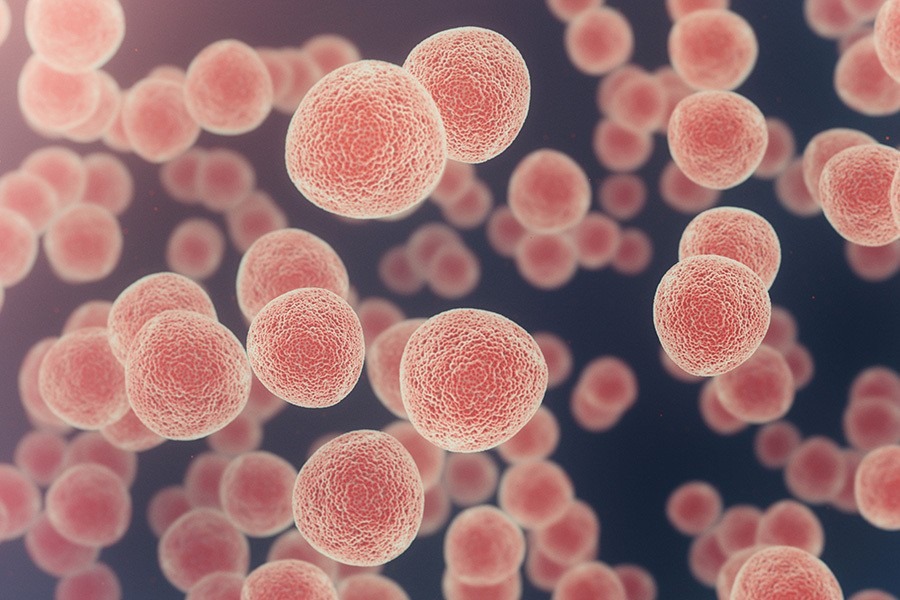
The development of NK cell therapies such as SMT-NK reflects a broader maturation of the cellular and gene therapy field, in which stem cells and immune effector cells derived from stem cell platforms are increasingly being evaluated as standardized, manufacturable medical products. The use of allogeneic donor-derived NK cells — as opposed to autologous patient-derived cells — is directly relevant to this manufacturing paradigm, as it enables the production of consistent, quality-controlled cellular products that can be stored, distributed, and administered similarly to conventional biologics.
Research groups globally are also exploring iPSC-derived NK cells, in which induced pluripotent stem cells — themselves generated from adult somatic cells through reprogramming — serve as a renewable and genetically modifiable starting material for NK cell production. This iPSC-to-NK cell manufacturing pathway represents one of the most actively investigated intersections of stem cell biology and cellular immunotherapy, and may ultimately enable the production of NK cell therapies with enhanced functional properties and greater manufacturing scalability.
From a regulatory standpoint, the advancement of SMT-NK through Phase 2b/3 trials and toward a potential 2028 marketing application represents a significant data point for health authorities worldwide as they develop and refine regulatory frameworks for advanced therapy medicinal products (ATMPs), including NK cell-based therapies. The clinical, manufacturing, and safety data generated by SMT-NK’s development program will likely inform regulatory guidance documents and precedents that shape the approval pathway for subsequent NK and stem cell-derived therapies.
Outlook and Regulatory Significance
The convergence of rigorous clinical evidence, advancing manufacturing technologies, and evolving regulatory frameworks for cellular therapies positions NK cell therapy — including SMT-NK — as a clinically meaningful development within oncology and the broader field of stem cell medicine. The data reported from Phase 1/2a trials, while preliminary and limited in patient numbers, demonstrate sufficient signals of clinical activity to justify advancement to larger, randomized studies.
The anticipated completion of the Phase 2b/3 biliary tract cancer trial by 2026, and the subsequent potential regulatory review and decision by 2028, will be a closely monitored milestone by the global cell therapy research and regulatory community. The outcome of this process will have implications not only for biliary tract cancer patients who currently lack effective treatment options, but for the broader field of NK cell and stem cell-based therapies seeking a pathway to commercial development.
Each successive clinical dataset contributes to the growing evidence base that will ultimately inform regulatory decisions, clinical practice guidelines, and healthcare policy regarding the integration of NK cell and stem cell therapies into mainstream oncological care.