Stem Cells in Solid Tumors: FDA-Approved TIL Therapy Lifileucel Shows 44% Response Rate in Advanced Melanoma
Could earlier access to advanced cell-based immunotherapy improve outcomes for patients with advanced melanoma? Newly presented real-world data suggest that tumor-infiltrating lymphocyte (TIL) therapy may demonstrate higher response rates when used in earlier treatment lines. Lifileucel, an FDA-approved autologous T-cell therapy derived from tumor-infiltrating lymphocytes, has shown a 44% objective response rate (ORR) in a retrospective real-world study, with improved outcomes in patients receiving fewer prior therapies.
Lifileucel (trade name Amtagvi) represents a personalized, one-time T-cell therapy for solid tumors and was approved by the U.S. Food and Drug Administration (FDA) on February 16, 2024. While not a stem cells therapy, TIL-based approaches fall within the broader field of advanced cell therapies frequently discussed alongside stem cells in regulatory and clinical research contexts.
Melanoma and the Rationale for TIL-Based Cell Therapy
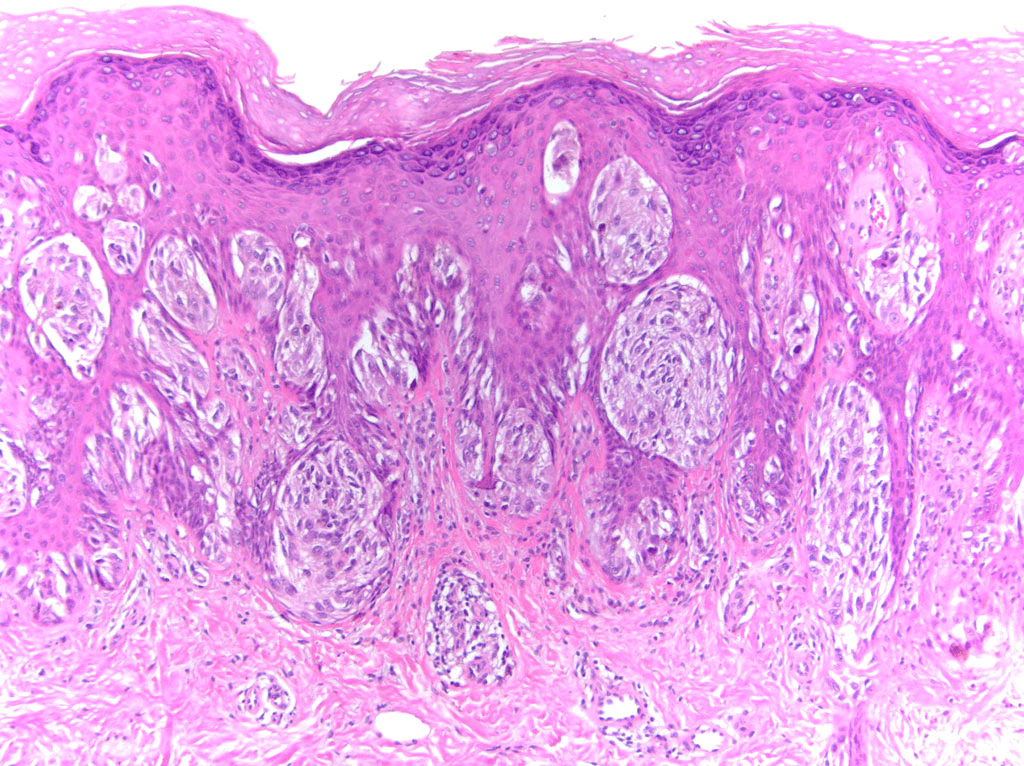
Melanoma is a malignant tumor arising from melanocytes and may occur in the skin, eyes, ears, digestive tract, mesentery, oral cavity, and vulvar mucosa. In some populations, common sites include the palms and soles. Approximately 60% of melanomas are clinically aggressive at initial presentation.
For patients with unresectable or metastatic melanoma who have progressed after immune checkpoint inhibitors, treatment options remain limited. Lifileucel is an autologous T-cell immunotherapy derived from tumor-infiltrating lymphocytes (TILs) obtained from a patient’s own tumor tissue. The therapy is administered following lymphodepleting chemotherapy and is supported by short-term high-dose interleukin-2 (IL-2) to enhance T-cell expansion and activity.
Regulatory Status and International Context
Lifileucel (Amtagvi) is the first FDA-approved, one-time, individualized T-cell therapy for solid tumors. The therapy was approved in the United States in February 2024 for adult patients with unresectable or metastatic melanoma following prior treatment.
The listed U.S. price is approximately USD 515,000 per treatment (approximately 3.7 million RMB). As of the reporting date, the therapy had not been approved for marketing in China.
In August 2025, Lifileucel received approval in Canada for PD-1–resistant melanoma, with five-year follow-up data indicating sustained response in 31.3% of patients.
Ongoing Phase III trials (TILVANCE-301) are being conducted to further evaluate the therapy in first-line advanced melanoma, reflecting continued regulatory and clinical development within established international frameworks.
Study Design and Patient Characteristics
Real-World Retrospective Analysis
The presented retrospective study included 41 adult patients with advanced melanoma treated with lifileucel at four authorized treatment centers in the United States.
The median patient age was 59 years (range 28–79 years). Baseline liver metastases were present in 32% of patients, and brain metastases in 29%.
Patients had received a median of three prior systemic anticancer therapies, including adjuvant or neoadjuvant treatment. The median time from tumor resection to initiation of lymphodepleting chemotherapy was 44 days.

Clinical Outcomes: Objective Response and Disease Control
Overall Response Rates
Physician-assessed confirmed objective response rate (ORR) was 44%, with 18 of 41 patients achieving a response. The disease control rate was 73%, corresponding to 30 of 41 patients.
These real-world findings exceeded the 31% ORR observed in the C-144-01 clinical trial, which supported the FDA’s accelerated approval of the therapy.
Impact of Treatment Line
Response rates appeared higher among patients receiving lifileucel earlier in their treatment course:
- ≤2 prior treatment lines: ORR 52% (12/23 patients)
- ≥3 prior treatment lines: ORR 33% (6/18 patients)
These findings suggest that earlier referral following immune checkpoint inhibitor therapy may be associated with improved response probability, although confirmatory prospective data are required.
Manufacturing and Administration Proces
Lifileucel is manufactured using tumor tissue obtained from surgical resection
Manufacturing Timeline
- Tumor-derived T cells are expanded ex vivo to billions of cells
- Manufacturing takes approximately 34 days from tissue receipt to product release
Treatment Protocol
Patients undergo lymphodepleting chemotherapy before infusion. The cell product is administered intravenously, typically in under 90 minutes. After infusion, up to six doses of IL-2 may be given every 8–12 hours to support T-cell activity.
Hospitalization is generally required before and after treatment until IL-2 administration is completed and acute adverse effects are managed. Patients are advised to remain within proximity to the treatment center for several weeks post-infusion.

Safety Profile and Patient Considerations
The most frequently reported adverse events include chills, fever, fatigue, cytopenias (low white and red blood cell counts), tachycardia, hypotension, rash, and diarrhea.
Prior to infusion, patients should disclose comorbid conditions including pulmonary, cardiac, hepatic, or renal disorders; hypotension; active infections (e.g., CMV, hepatitis B or C, HIV); anticoagulant use; pregnancy or breastfeeding status; and recent vaccination history. IL-2 administration may be discontinued in the event of significant adverse reactions.
As with other advanced cell therapies discussed alongside stem cells in oncology research, treatment requires careful patient selection, specialized infrastructure, and adherence to regulatory standards.
Global Development and Access Considerations
In addition to regulatory approvals in the United States and Canada, multiple companies in China are developing TIL-based therapies targeting solid tumors such as melanoma, lung cancer, and cervical cancer. Several domestic pipelines have reportedly entered Phase II pivotal studies.
However, treatment access remains influenced by manufacturing timelines (approximately 34 days), high cost (USD 515,000), and the need for chemotherapy and IL-2 support. These factors highlight broader global challenges associated with advanced cell therapies, including stem cells and T-cell–based immunotherapies.
Conclusion
Real-world data indicate that FDA-approved lifileucel demonstrates clinically meaningful activity in advanced melanoma, with a 44% objective response rate and higher responses observed in earlier treatment lines . Ongoing Phase III trials will further clarify its role in earlier-stage treatment settings.
While not a stem cells therapy, lifileucel represents a significant development within the broader landscape of advanced cellular therapies for solid tumors. As regulatory frameworks continue to evolve internationally, careful evaluation of clinical evidence, safety profiles, and access considerations remains essential for informed decision-making in oncology care.