
19 Stem Cell Products Are Now Approved Worldwide — Here’s What That Means

As of 2026, 19 stem cell products have been approved globally. Learn which diseases they treat, where they’re approved, and what’s coming next.
Most people still think of stem cell therapy as something experimental — something that might help people “someday.” The reality in 2026 is quite different.
As of March 2026, 19 stem cell products have received official government approval for medical use across eight countries and regions. These aren’t clinical trials or experimental treatments — they are fully authorised medicines that doctors can legally prescribe. The conditions they treat include some of the hardest-to-manage diseases in modern medicine: organ transplant complications, Crohn’s disease, osteoarthritis, and most recently, heart failure and Parkinson’s disease.
Here’s a clear, straightforward breakdown of where things stand.

What Are Stem Cells, and Why Do They Matter?
Stem cells are essentially the body’s raw material — cells that can transform into many different specialised cell types and help repair damaged tissue. The type featured in most approved therapies is called a mesenchymal stem cell (MSC).
What makes MSCs particularly useful in medicine is a combination of three abilities: they can renew themselves, develop into different tissue types, and — perhaps most importantly — calm down an overactive immune system. That last property makes them especially valuable for treating diseases where the immune system is causing harm, such as after an organ transplant.
MSCs can be collected from bone marrow, umbilical cord tissue, or fat — all relatively accessible sources. Unlike embryonic stem cells, they carry far fewer ethical or legal restrictions, which is one reason they’ve moved through the approval process across so many countries.
Where in the World Are These Treatments Approved?

South Korea — The Pioneer (6 Products)
South Korea was the first country to approve a stem cell product, back in 2010. It now has six approved therapies, mainly targeting knee osteoarthritis and heart disease after a heart attack. South Korea’s early start gave it a significant head start in building clinical experience and a functioning commercial market for these treatments.
Japan — Six Products, Including a New Generation (6 Products)
Japan has matched South Korea’s total with six approved products — and made headlines in 2026 by approving the world’s first therapies derived from induced pluripotent stem cells (iPSCs), targeting heart failure and Parkinson’s disease. iPSCs are a newer, more advanced type of stem cell that can be grown in large quantities under tightly controlled conditions, making them a significant step toward more consistent, scalable treatments.
Iran and India — Active Markets Worth Noting
Iran has approved four MSC products, making it one of the more active markets globally — a fact that often surprises people. India has approved one product so far, with more likely to follow as its regulatory system for advanced therapies continues to develop.
China, the US, the EU, and Canada — One to Two Each
Each of these major regulatory markets has authorised one or two products:
China approved its first ever stem cell drug — Amymetosai Injection — in 2025, for treating a serious complication that can occur after bone marrow transplants (known as graft-versus-host disease, or GvHD). The United States has approved Remestemcel-L (Ryoncil) for the same condition in children. The European Union has approved Alofisel for complex Crohn’s disease fistulas. Canada approved a GvHD treatment for children through its own adaptive review process.
What Diseases Do These Therapies Actually Treat?
The 19 approved products cover a focused but meaningful range of conditions:
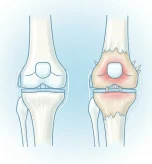
Graft-versus-host disease (GvHD) is the most common indication, addressed by five products. This is a life-threatening condition where donor immune cells attack the recipient’s body after a transplant — and standard treatments often don’t work well enough. Crohn’s disease (specifically difficult-to-treat fistulas) is targeted by three products. Knee osteoarthritis and spinal cord injury each have two approved products.

Beyond these established areas, the 2026 iPSC approvals in Japan have added heart failure and Parkinson’s disease to the list — conditions that affect hundreds of millions of people worldwide and have very limited treatment options.
Still in the research phase — but attracting significant investment — are trials for diabetes, Alzheimer’s disease, pulmonary fibrosis, autism, and cerebral palsy. These account for more than 40% of all active stem cell clinical trials globally. Approval in these areas is not guaranteed, but the scale of research activity is notable.
A Closer Look at China’s Entry Into This Space
China’s 2025 approval of Amymetosai Injection drew attention not just because it was the country’s first approved stem cell drug, but because of its pricing. Reports suggest it is priced at roughly 1/70th of the equivalent product in the United States — a gap that, if sustained, could have significant implications for patient access across Asia and other cost-sensitive markets.
Beyond this single product, China has an extensive pipeline: more than 120 stem cell drugs are currently in clinical trials under the oversight of China’s National Medical Products Administration (NMPA), covering conditions from arthritis and stroke to metabolic and neurological diseases. Whether a meaningful proportion of these advance to approval will depend on clinical results and regulatory decisions over the coming years.
What’s Driving the Technology Forward?
Most Approved Products Use Donor Cells
Twelve of the 19 approved products use cells from a donor rather than the patient themselves. This matters commercially because it means the cells can be manufactured in large batches, quality-tested, and stored — much like a conventional drug. The patient doesn’t need to donate anything. This “off-the-shelf” model is expected to remain the dominant approach for MSC therapies going forward.
iPSC and Gene Editing Are the Next Frontier
The newer iPSC technology approved in Japan in 2026 takes this a step further — allowing highly standardised cell production from a master cell bank, with consistent quality at scale. Researchers are also combining iPSC technology with gene editing tools (such as CRISPR) to create cells with enhanced therapeutic properties. While no gene-edited cell therapy has received broad commercial approval yet, several are in late-stage trials.
How Are These Products Regulated?
Each country has its own regulatory body, but all require the same basic things: proof the product is safe, consistently manufactured, and clinically effective. The FDA handles this in the US, the EMA in Europe, the PMDA in Japan, and the NMPA in China.
Several Asian countries — including China, Japan, and South Korea — have introduced “dual-track” systems that allow promising therapies targeting serious diseases to reach patients faster, while longer-term evidence continues to be gathered. This is a pragmatic response to the reality that patients with conditions like severe GvHD often cannot wait years for full approval processes to complete.

The Bottom Line
Stem cell therapy is no longer purely a promise for the future. Nineteen products are approved. Patients are being treated. And the pipeline of conditions under investigation is growing steadily.
The field is still maturing — not every disease will have an approved stem cell treatment soon, and clinical trial results are not guaranteed. But the regulatory infrastructure, manufacturing capabilities, and accumulated clinical data have all reached a point where this is a legitimate, active area of medicine — not a fringe concept.
If you or someone you know has a condition that may be relevant, the best starting point is a conversation with a specialist and a search of official clinical trial registries such as ClinicalTrials.gov or your country’s national health authority database.