
CAR-T Cell Therapy Now Covered by Insurance in Hainan, China

Hainan’s Huiqiong Insurance now covers CAR-T cell therapy, reimbursing up to ¥1M for eligible cancer patients — a step toward broader access in China.
CAR-T Cell Therapy Now Covered by Insurance in Hainan, China
What happens when a life-saving cancer treatment costs over one million yuan? In Hainan Province, China, a new insurance model is offering an answer. A patient recently became the first in the province to receive CAR-T cell therapy with direct insurance reimbursement — marking a meaningful step toward making advanced cancer care more financially accessible.
What Is CAR-T Cell Therapy?
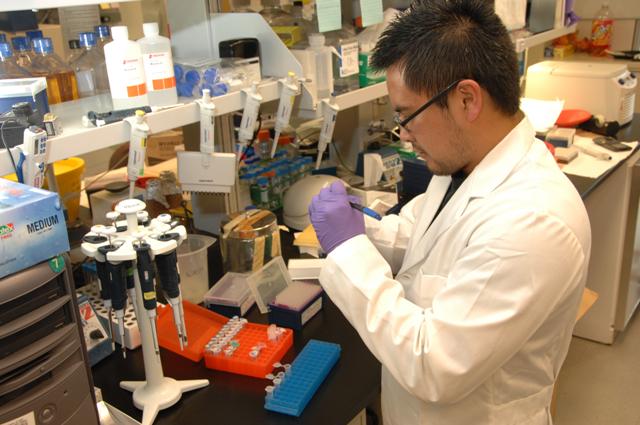
CAR-T therapy is a personalised cancer treatment that modifies a patient’s own T cells — a core component of the immune system closely related to stem cell biology — to recognise and attack tumour cells. It has shown strong clinical results in relapsed and refractory blood cancers, particularly diffuse large B-cell lymphoma (DLBCL).
As of February 2026, China’s National Medical Products Administration (NMPA) has approved seven CAR-T therapies, covering lymphoma, leukaemia, and multiple myeloma. However, treatment costs typically range into the hundreds of thousands to over one million yuan, limiting access for many patients.
Hainan’s Insurance Model: Covering CAR-T Costs
The Huiqiong Insurance program (惠琼保) is a government-facilitated supplementary health insurance scheme in Hainan Province. Its 2026 edition includes four CAR-T therapies in its special medication coverage, with no deductible and a maximum reimbursement of ¥1,000,000 per eligible patient.
The First Reimbursed Case
The First Affiliated Hospital of Hainan Medical University recently treated a patient with relapsed and refractory DLBCL using Regenoncell injection — a CAR-T product priced at ¥1,290,000. The patient was successfully discharged following therapy, and the treatment cost was settled directly through the Huiqiong platform at discharge.
This is the first time in Hainan that CAR-T therapy costs were reimbursed through a one-stop, point-of-discharge settlement system — removing the burden of post-treatment claims processing for the patient.
What This Means for Advanced Therapy Access
This case reflects a wider global challenge: approved stem cell and cell-based therapies often remain out of reach due to cost, even after regulatory clearance. The Hainan model — integrating public medical insurance with commercial coverage — offers a practical framework for addressing this gap.
Authorities have indicated plans to expand the program across the province and broaden the range of covered conditions. The hospital is also building a CAR-T clinical database to track long-term outcomes and support evidence-based treatment improvements.
Conclusion
Hainan’s first directly reimbursed CAR-T case demonstrates how coordinated insurance frameworks can improve access to approved stem cell-based therapies. As more regions consider similar models, this example highlights the importance of aligning regulatory, clinical, and financial systems to deliver advanced treatments to the patients who need them.